The past few weeks, I’ve been sitting with the many layers held by the concept, and the manifest reality, of mother, mothering, and motherhood. Mother is seen in the divine feminine, in the cosmos, and in the sea and the glow of the moon. She is held in our genes and our histories and the eyes of our children. She is found in archetypes of healing, nurturing, and comfort, as well as in stories of criticism, coldness, and abuse. She is the soft one who tends grief and holds hands and braids hair, and she is the unbreakable one whose labor and caregiving is taken for granted in most areas of her life. We carry our mothers with us in our DNA, in our stories, and in the way we navigate the impacts of intergenerational trauma.
She doesn’t always appear in our stories in simple or easy ways. Some of us mother children we did not or could not grow in our bodies; some of us birth babies who are now mothered by others. Some of us are not mothers at all. Some of us had mothers who could not love us unconditionally, or did not have mothers in our lives, or had mothers who brought us more pain and humiliation than comfort, from whose effects we are still recovering, are still healing. Others have mother wounds, mother blessings, that escape delineation in a single blog post restrained both by its word count and the sometimes-limited imagination of its author.
Mother is a tough concept for me. My own relationship with my biological mother was a source of confusion and heartache for years; the resolution of that internal conflict left me feeling cut off from my maternal grandparents, whose influence on my early life was wholly positive, loving, and stabilizing. Connecting with my ancestors is a part of my spiritual practice, so this loss was present with me, in my heart and waking meditations as well as in my rich dream life, which included frequent visits to my grandparents’ home. Each morning I’d awaken from a dream spent in that space to the stifling realization that their home – my childhood home for my earliest memories – had been torn down years ago. Continue reading “Carrying Our Mothers by Chris Ash”


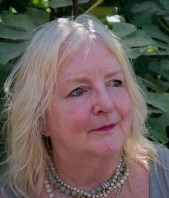 When I was in graduate school, I learned to doubt myself. Despite having won Danforth and Woodrow Wilson graduate fellowships that paid for my tuition and living expenses, I was continually told by professors and male students alike that I would not finish my degree and that if I did I would get married, have children, and never use the degree I had earned. I tried hard to maintain my confidence in myself, but it was difficult when I was the only woman in the program. There was one other woman my first year, but she was older than I was, a nun, and I never saw her in class or at social events. My self-esteem was gradually eroded. If I had not had a fellowship, I would probably have dropped out.
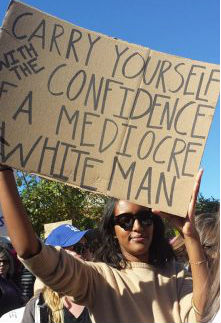
 On Sunday, January 7th, a highly visible and poignant protest and stance was made. The 75th Golden Globes was the frontline to which the privileged Hollywood A-Listers took a stance. They collectively drew a line, a call for change. A straightforward act of wearing the color black, spoke volumes. Gone were the entertainment commentators stating which color was bold or trendy. The focus was on the collective statement that was being made on the red carpet. Countless actors voiced their own stories of #WhyWeWearBlack, they called out executives who are complicit in maintaining pay inequality, in hiding sexual abuse and intimidation, in the unequal job opportunities, and even in the lack of recognition.
 We, Goddess types, are getting ready to celebrate Imbolc, beginning on the evening on February 1st through the following day, until dusk. Many ask, “well, just what is Imbolc?”