We Endure Abuse to Survive, Part 1 by Karen Tate

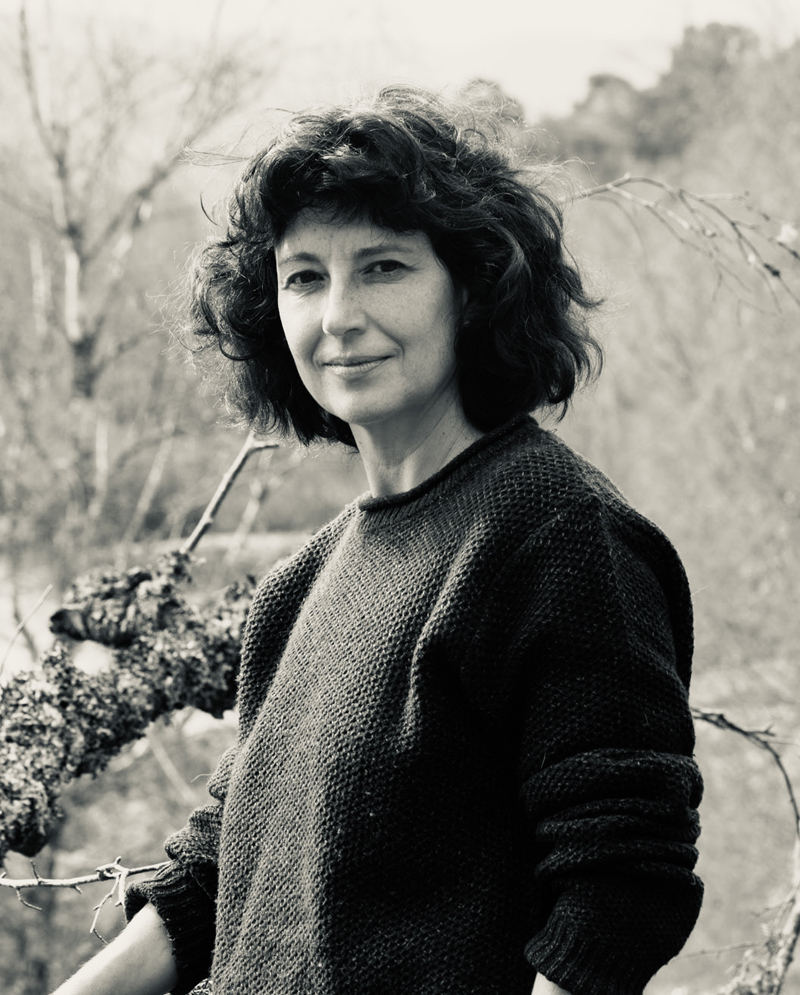
I considered myself savvy and educated and an advocate for peace, fairness and equality.  I thought abuse was something that happened to others, not me.  But it was happening to me.  It had happened to me and I didn’t see the danger signs as my life careened off the road.  I became aware abuse and the resulting trauma can happen to anyone.  I came to realize we have to examine all aspects of our lives for both blatant and insidious abuse.  We must recognize it and take steps to eradicate abuse from our lives and society.  That’s where I’ve been on for the last five years and I’m only now able to begin to share that journey.  To write a new book, Normalizing Abuse, and bring my radio show, Voices of the Sacred Feminine, back on the air after a long hiatus.

Part One

If you knew me before my unraveling, you might remember I was the hostess of the Voices of the Sacred Feminine podcast for more than a decade where I had the privilege of interviewing some of the most prominent thought leaders in spirituality, politics and academia. I’d published six books, gave talks at the Parliament of World Religions, the Academy of Religion and various other public and private associations. I had done dozens of interviews and was all over YouTube. I was out there and then gradually I wasn’t. I faded away and became a shadow of my former self.  And for a time I don’t think I cared if I ever came back. I had no motivation or inspiration.  I didn’t open my closet for three years. I didn’t care if I bathed or brushed my teeth. I was dreaming someone was trying to push me into a dark hole in the wall of a building. I’d hear floorboards creaking and feared the foundation of the house I was living in would collapse. I’d wake up with heart palpitations because the latest dream was one where our home had no ceiling or roof. I’d think cars slowly driving by my house were surveillance. 

Continue reading “We Endure Abuse to Survive, Part 1 by Karen Tate”

Memoirs of a Cult Survivor by Chasity Jones

This blogpost is a reflection on my experience creating a podcast series concerning religious trauma experienced in cults as well as how to heal from traumatic cult experiences.

Firstly, I had to be very intentional about the word survivor as opposed to victim. Survivor was the obvious choice because I used to cringe when thinking of myself as a victim. However, As I heal, I can honor both the survivor and the victim, for they are the same. I cannot forget to acknowledge though that some victims do not survive and this is the same concerning cults. Many people at this very moment are in exile or in hiding from their cults when they escape and for that reason some of the people who engaged in this series were forced to engage anonymously.

Continue reading “Memoirs of a Cult Survivor by Chasity Jones”

Upon Rising: Poems Call Out by Margot Van Sluytman

Moderator’s Note: Margot reads each of her poems aloud. They can be heard through the links in the titles.

“And what then is poetry?” We ask this time and time and time again. And poetry HERself answers. SHE needs no descriptor. Mimetic sagacity spells HER clarity.
~~~
Dreams be Fed

I am a body that remembers

The joys of falling into hues of

Brilliant blues and greens.

I am a soul that trades in
Cinnamon and spices.

Elevating chance.
Caressing mystery.
I am a will that conceives fat
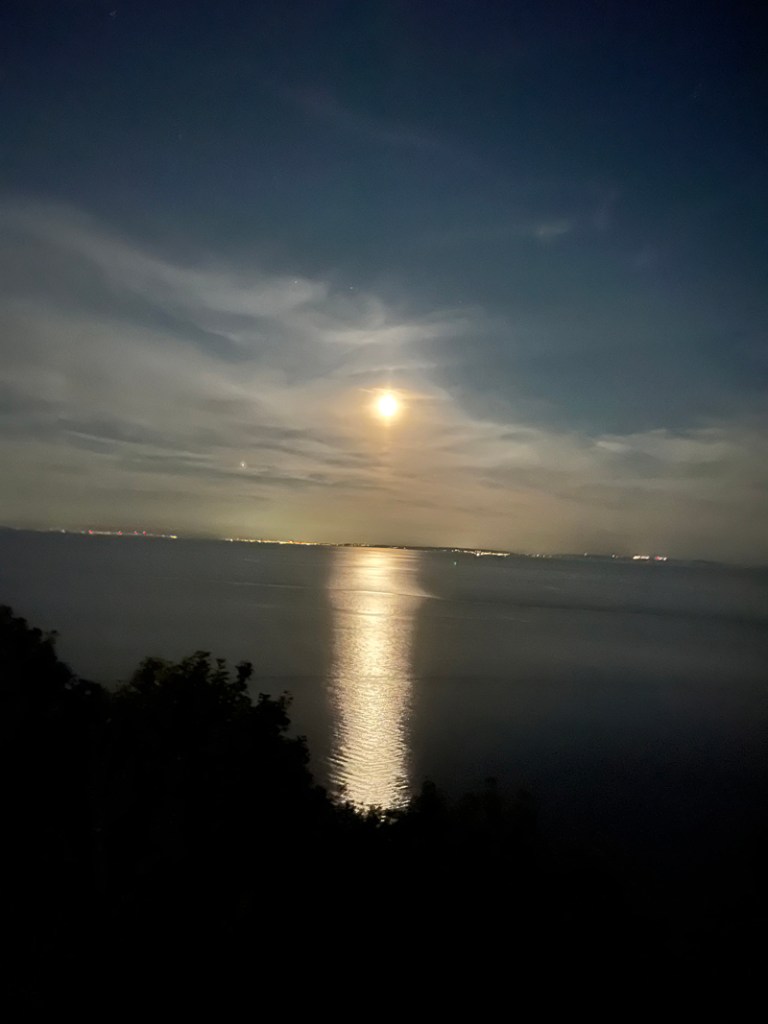
Ebullient Moon as
Golden Goddess. Divine.

SHE who feeds our dreams.
SHE who teaches us

To tend our fires.
©Margot Van Sluytman

Continue reading “Upon Rising: Poems Call Out by Margot Van Sluytman”

For Mahsa by Lori Stewart

On Friday, September 16, 2022 Mahsa Amini died in a Tehran hospital having been arrested by Iranian morality police on September 13 for wearing “inappropriate attire”. She was 22. Mahsa’s family claims she had bruises to her head and limbs from being beaten. The Iranian police dispute that claim saying Mahsa died from a pre-existing health condition.

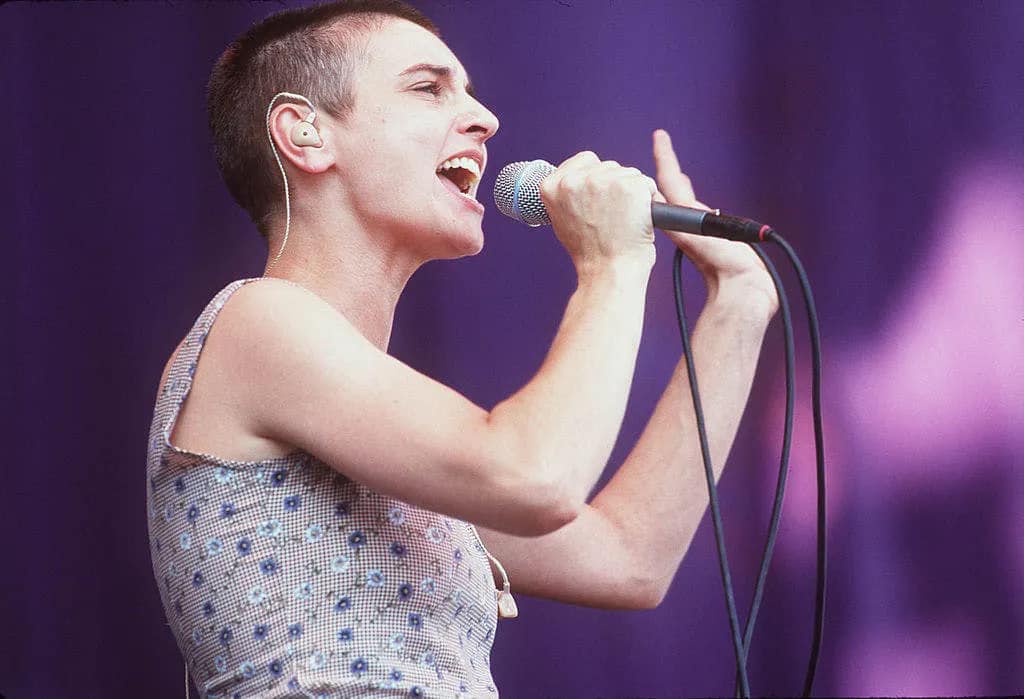
Mahsa’s death sparked major protests against the Islamic Republic in Iran and protests of support are occurring around the world. Women are burning their hijabs, which they are mandated by Iranian law to wear, chanting, “Women, life, freedom”. They are cutting their hair which is a longstanding symbol of protest and loss in Iran’s history. This action harkens back to the epic Persian poem “Shahnameh” by Ferdowsi in which hair is a theme and the cutting of hair a symbol of mourning. Around the world, people have followed suit by cutting their hair in solidarity with the protesters in Iran. A recent chant by the protesters is “it’s the beginning of the end” as they challenge their theocratic government.

Continue reading “For Mahsa by Lori Stewart”

The Appalachian Cailleach Speaks by Annelinde Metzner   

The Cailleach is a Celtic Ancestor-Goddess, a Divine Hag, a Crone who controls the winter winds in the far reaches of remote places. Living in the still-wild mountains of Western North Carolina, I’ve found it is easy to conjure up the Cailleach rising up through a rhododendron “hell.” She certainly took my breath away, and captured my consciousness, when I wrote this poem in 1995. Some years later, Lisa Sturz of the Red Herring Puppets created for me the eight-foot tall, wearable Grandmother puppet you see here. She has appeared in a number of my theater productions to the Goddess, while the poem was being dramatically read, with improvised music on the psaltery. Grandmother is happy to be coming out of my basement once more, for the Samhain service at our Unitarian church here in Black Mountain.

Continue reading “The Appalachian Cailleach Speaks by Annelinde Metzner   “

Reclaiming Forgotten Voices by Freia Serafina

Marduk fighting Tiamat

Last night I found myself crying over Tiamat. Tiamat is one of the most ancient Babylonian Creatress Goddesses. She is known as the Goddess of the Salty Sea and is considered the primordial Creatress in Sumerian religion. Tiamat was slaughtered in the vilest of ways to demonstrate the death of the Goddess and the rise of the God. She was defiled and written about in such a way as to discredit women and provide justification for the slaughtering, defiling, and enslavement of “enemy” women abroad and “bad” women at home.

As I was reading Carol Christ’s Rebirth of the Goddess, I found myself shaken to the core at the ways in which Tiamat was defiled and destroyed in the “epic” called the Enuma Elish. As someone who is well aware of the ways in which the Goddess and women have been usurped throughout time and space, I was still so broken down after reading it that I had an actual ugly cry in my living room. I want to tell you to read the Enuma Elish to understand why I feel this way, but I also want to warn you about the way you might feel afterwards. It is a difficult read.

Continue reading “Reclaiming Forgotten Voices by Freia Serafina”

On the Pertinence of Ritual by Anonymous

Art by Jaysen Waller

This post started as a comment to Annie Finch’s part 1 of Abortion As A Sacrament post.  Realizing it was a story that was getting too long, I’m sharing it here as a reiteration of the practical significance of ritual, and finding our way through the no-longer-charted territories of being a female human — in the sense that if we were a female of any other animal form, we would still know exactly how to navigate all the challenges.

I had a years-long pregnancy-related experience in which ritual was the only thing to finally bringing closure, though the real issue was more the other being’s feelings or intent than mine. About a year after the birth of my only child, still nursing full time and using what should have been sufficient birth control, I became pregnant and aborted at Planned Parenthood. I had been well along, not having suspected anything because my menses hadn’t yet returned. 

At the time, there was no debate in my mind, if I had added another responsibility to my already excessive load, I would have failed at everything, the most important being my daughter.

Continue reading “On the Pertinence of Ritual by Anonymous”

Asking Her Blessing by Christine Irving

… if the carving is in reach of its admirers,

the yoni will often be polished to a shine

by the touching fingers wishing to evoke

 the blessings of the Goddess.

~Adele Getty, Goddess: Mother of Living Nature

My book Sitting on the Hag Seat carries the blue cover I designed. Buried in the blue, riding the spiral Wheel of Return, stands a small Sheela-na-gig. The Sheela’ s origins remain unknown and controversial. It sometimes seem to me that the less explanation exists for a mysterious object or occasion, the more emotional attachment accrues to the opinions of diverging theorists. However, no matter what symbolism is ascribed to Sheela-na gig, her frequent placement above church doors or in the walls of cities, castles and watch towers, does seem to support a protective aspect not necessarily at odds with other attributions.

Continue reading “Asking Her Blessing by Christine Irving”

TRAVELOGUE INTO HISTORY: MY BIG FAT GREEK ODYSSEY (Part 2) by Sally Mansfield Abbott

Part 1 was posted yesterday. You can read it here.

Arriving in Heraklion on Crete, I was enlivened by the sea air and the informal “island” vibration. My sister and I made our way through its labyrinthine streets, following Daedalus, a pedestrian street named after the legendary creator of the labyrinth at Knossos, the prototype of the artist, who Joyce names as his stand-in in Portrait of the Artist as a Young Man and Ulysses. Our hotel was on Theotokopolous Street. (They’d call you El Greco too if your name was Domenikus Theotokopolous.) Nikos Kazantzakis was also from Heraklion, a city noted for its artists.

Knossos was a small, contained place circled by pine trees, unlike the sprawling sun-drenched expanse of a typical archeological site. There were restored ocher columns, four storeys to the palace, open courtyards for bull leaping, and cisterns that had been used for self-purification. Its red clay and turquoise frescoes were so familiar to me, with their vivid colors and playful lines that Matisse could have envied. No wonder it was the prototype of a work of art!

Continue reading “TRAVELOGUE INTO HISTORY: MY BIG FAT GREEK ODYSSEY (Part 2) by Sally Mansfield Abbott”

TRAVELOGUE INTO HISTORY: MY BIG FAT GREEK ODYSSEY (Part 1) by Sally Mansfield Abbott

My sister and I arrived in Athens midafternoon on Lamas, the feast day of the first harvest. A blast of dry heat greeted us as we left the airport and surveyed the barren brown hills. It transported me to my childhood when I’d lived in distant and exotic climates, and I felt the old excitement of being abroad again.

Going to Greece had long been a dream of mine. It was a spiritual pilgrimage, a Hajj to be undertaken at least once in a lifetime. Greece figured prominently in the college classes on the Goddess I had taught for ten years, but I’d only known it through the books and slides I lectured from. I longed to see its sacred sites in person.

Our hotel was at the base of the Acropolis, within a block of the Acropolis Museum, a stunning work of modern architecture that quotes the structure of the Parthenon.  The Parthenon and Erechtheon had been stripped of their bas reliefs and engravings—even the famed Karatydids– were now housed in the museum, either already or soon to be replaced by copies on the temples.

Continue reading “TRAVELOGUE INTO HISTORY: MY BIG FAT GREEK ODYSSEY (Part 1) by Sally Mansfield Abbott”