


Recently feminist scholar Vicki Noble said this is the best definition of patriarchy she has read–but she hadn’t known of it earlier! I am am republishing it now in hopes that all of you will share it on your social media so that it becomes more widely known. Thanks!
Patriarchy is often defined as a system of male dominance. This definition does not illuminate, but rather obscures, the complex set of factors that function together in the patriarchal system. We need more complex definition if we are to understand and challenge the the patriarchal system in all of its aspects.
Patriarchy is a system of male dominance, rooted in the ethos of war which legitimates violence, sanctified by religious symbols, in which men dominate women through the control of female sexuality, with the intent of passing property to male heirs, and in which men who are heroes of war are told to kill men, and are permitted to rape women, to seize land and treasures, to exploit resources, and to own or otherwise dominate conquered people.* Continue reading “Patriarchy as a System of Male Dominance Created at the Intersection of the Control of Women, Private Property, and War by Carol P. Christ”

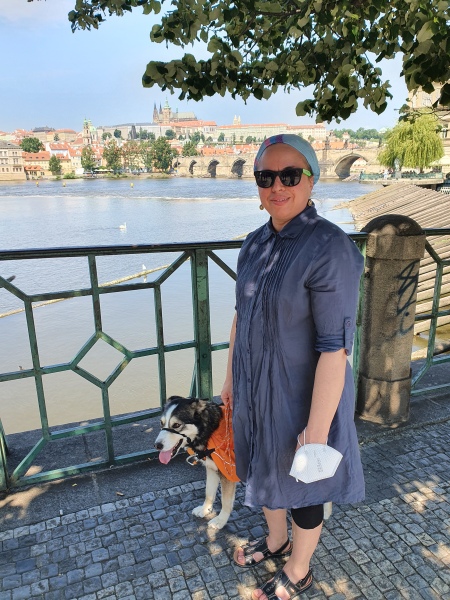 This month more than most, I feel like I have so much to say that I don’t really know where to begin. It doesn’t help that next door they are remodelling
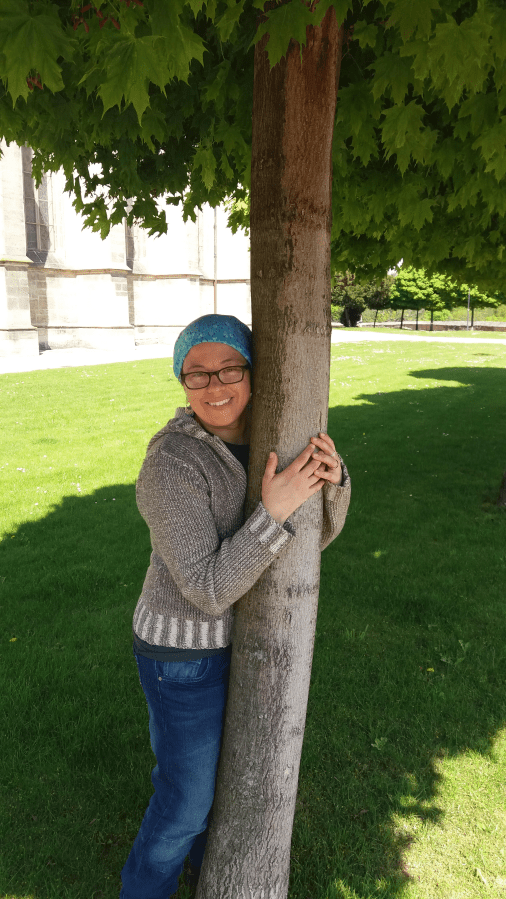 A few weeks ago a Slovak journalist reached out to me about the new Netflix four-part series entitled Unorthodox. In the email, the journalist wrote that they had read about my work as a Jewish feminist and wanted some insight into the new series. Their main question was: how accurate is the portrayal of the Satmar community?
 Yom Kippur, the Day of Atonement, was the 9th of October 2019. On this day, Jews typically attend shul, offer various prayers, and participate in some form of fasting. The day is meant to be a reflection on the ways in which we, as individuals and as a community, have not been our best selves. In this reflection, we speak aloud our objectionable behavior and ask for the Divine’s forgiveness.
