

“When You Return” by Ellen Bass
Fallen leaves will climb back into trees.
Shards of the shattered vase will rise
and reassemble on the table.
Plastic raincoats will refold
into their flat envelopes. The egg,
bald yolk and its transparent halo,
slide back in the thin, calcium shell.
Curses will pour back into mouths,
letters un-write themselves, words
siphoned up into the pen. My gray hair
will darken and become the feathers
of a black swan. Bullets will snap
back into their chambers, the powder
tamped tight in brass casings. Borders
will disappear from maps. Rust
revert to oxygen and time. The fire
return to the log, the log to the tree,
the white root curled up
in the un-split seed. Birdsong will fly
into the lark’s lungs, answers
become questions again.
When you return, sweaters will unravel
and wool grow on the sheep.
Rock will go home to mountain, gold
to vein. Wine crushed into the grape,
oil pressed into the olive. Silk reeled in
to the spider’s belly. Night moths
tucked close into cocoons, ink drained
from the indigo tattoo. Diamonds
will be returned to coal, coal
to rotting ferns, rain to clouds, light
to stars sucked back and back
into one timeless point, the way it was
before the world was born,
that fresh, that whole, nothing
broken, nothing torn apart.
This poem appears in Ellen Bass’s book “Like a Beggar” published by Copper Canyon Press in 2014 For more information on Ellen Bass and her poetry go to her website https://www.ellenbass.com/ Poem posted here under “fair use” guidance.
While warming up beside an enormous stone fireplace with a dozen other writing workshop participants in western North Carolina, I listened to an instructor read the poem “When You Return” by Ellen Bass. I had come to the retreat wrung out from church trauma and the ache of not knowing where I fit in anymore. As the flames crackled and spit, the reader spoke words that singed the edges of longings I hadn’t yet noticed—longings for crooked paths to be made straight, for broken things to be made whole. I was crying by the time he recited the last few lines— “the way it was / before the world was born, / that fresh, that whole, nothing / broken, nothing torn apart.” The tears surprised me; a snowmelt after years of frozen longing that finally began to thaw.
A handful of poems have moved me to tears since that December night almost ten years ago, but this is the one I remember most. I came to know “When You Return” during the first week of Advent, and hearing it in Advent—the Christian season of waiting—made the poem feel like a companion who had sat down beside me and stayed after so many other things had disappeared. I could almost feel the poem’s hand on my shoulder, steadying me as no one in my actual life quite knew how to do. “I know what you mean,” the poem said. “I have felt the same.”
My recent departure from evangelicalism and arrival in the Episcopal church had also meant losing people I loved and thought loved me in and with Jesus, and it was devastating to lose them, to feel betrayed by some of them. I was now a solo traveler finding my way to a new spiritual house. Sunday mornings, once packed with warm embraces and obligations, now opened wide and echoing. I wandered into new sanctuaries sporting a visitor’s badge while a growing sense of loneliness made its home within my soul alongside my grief for what I’d lost fleeing a blighted church I couldn’t live with anymore. Would I ever belong to a church with a theology and people that are more in line with my contemplative and progressive approach to the Christian faith? I didn’t have the answers, didn’t know how things would unfold, and a shadow fell across the hope that had always held me up in this season of holy waiting.
“When You Return” validated my desire for a spiritual healing and renewal. Bass’s images of the world running backward opened my imagination to what felt impossible in my own story. Would the white American evangelical church ever not harm its people? Would the white American evangelical church ever not support people like Donald Trump? Would I ever feel safe in a congregation again? The poem did not answer any of these questions outright, but it refused to let me go on believing that damage was the end of the story.
When I left North Carolina and drove home to Birmingham, I took the poem with me. The words rode shotgun along I-40 West and I-59 South as its images hung on to the edges of my mind. Between gas station coffee and long stretches of pine trees, I kept replaying the lines in my head, letting them sync up with the rhythm of my tires on the interstate. The egg white and its “bald yolk” returning to its shell. Fired bullets snapping back into their chambers. “Wine crushed into the grape/oil pressed into the olive.”
The poem has stayed near to me ever since. It’s one of the few poems I’ve tried to memorize in adulthood; lines scrawled on notecards have walked with me around my neighborhoods as I whisper phrases to myself, wishing the words into my memory so I could always keep them with me anywhere. I wanted a portable sanctuary, a liturgy I could call up in grocery store aisles, hospital parking lots, and sleepless midnight hours. “When You Return” reminds me why I hope for hope and why my faith continues. Why we keep working to restore that which seems lost to decay and to renew that which appears beyond repair.
Bass’s embodied details and examples of transformation make this poem a soulful encounter even though she uses no spiritual jargon. Her repetition of “will” and “return” even feel liturgical. It sounds less like doctrine and more like someone daring to imagine the world remade from the inside out. And I love how God can speak to us through poets who may or may not be religiously observant themselves but articulate a longing for restoration that my faith tells me comes from God. Its specifics—gray hair darkening and shattered vases reassembling and rain returned to clouds—give me new ways to behold the evidence of harm I see every day, in myself and in the world. Imagining these damaged things gently reversed does not deny my pain or the suffering around me. It makes room for the wish that all will be healed. The poem sits beside my anger and grief, nodding along, then invites me to turn my face toward what might yet be brought back or made new.
And maybe the words help me belong to other people who also love this poem and feel seen and known by its words. Though perhaps not meant to be a religious poem, it finds its way to me as a prayer for and depiction of a world that will one day be undone. It provides a framework for revisualizing tragedies and destruction through a lens of hope for radical restoration. A restoration that, in my faith, is a promise I cling to with both hands.
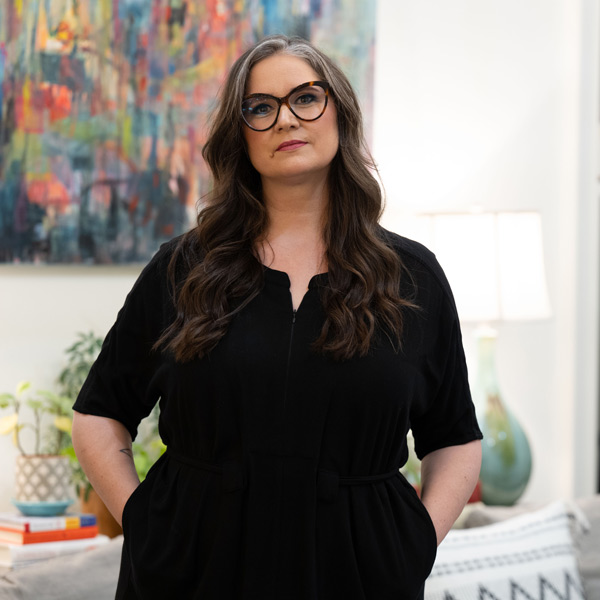
BIO: Charlotte Donlon is a writer and spiritual director whose work centers on helping people explore themes of belonging through art and faith. Her essays have been featured in publications such as The Washington Post, The Christian Century, Image, and The Millions, among others. She lives in Birmingham, Alabama.
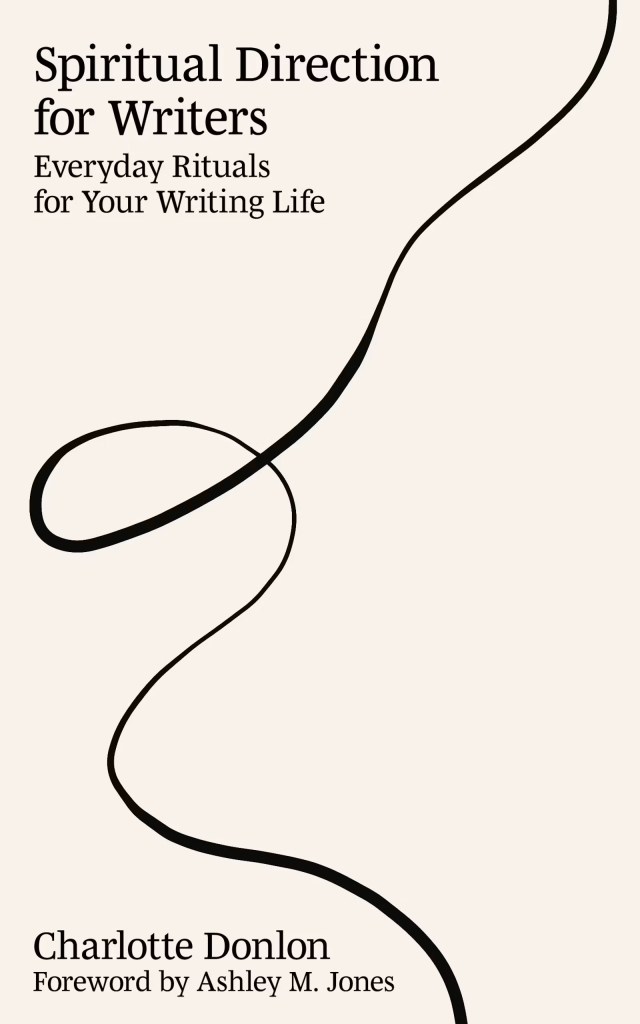
You can get info and purchase her new book Spiritual Directions for Writers here.
Discover more from Feminism and Religion
Subscribe to get the latest posts sent to your email.


‘ Fallen leaves will climb back into trees’ – Nature teaches us that they will return in a different form because the nutrients in the old leaves were stored in trunk, root, and mycelia below until the time for rebirth returns….Understanding that life begins under the ground allows us to see that no matter what happens life will begin again because the seeds are already present below….as a naturalist on my worst days I remember that reversals will occur, the seasons will shift, and life will continue even if it’s through another extinction. With that much said I return to the little picture of my life being lived through violence and chaos; some days the pain, anger, and anguish feel intolerable.. I am like a mole living through the dark.This incredibly beautiful and powerful poem speaks to possibility born of reversal and reality. It doesn’t have to be this way. And someday it won’t be…. As I write these words mindless gunshots ring out.
LikeLiked by 1 person
Goodness. Thank you so much for these words. “Understanding that life begins under the ground allows us to see that no matter what happens life will begin again because the seeds are already present below..” Yes. Yes to all of this. And may we keep hoping for–and not lose sight of–that someday.
LikeLiked by 1 person
Oh so glad that what I said holds meaning for you – and hopefully for others because change is possible and nature makes sure that we are aware of this, if only we paid attention….I absolutely LOVED these two posts
LikeLike
Yes. Amen to paying attention to nature. And I’m so glad you loved the two posts. Thanks so much!
LikeLike
Such a beautiful post and poem. Love your relationship with the poem, how the words and images have been your guide and companion through so change. Your story is also a testament to why reading and writer poems can matter. Thank you.
LikeLiked by 1 person
Thanks so much for reading and sharing your thoughts. Thank God for poems and poets.
LikeLike
Elizabeth you just articulated some of the other reasons this post was so special – thank you!!
LikeLiked by 1 person
Yes! I found the post moving and encouraging.
LikeLiked by 1 person