

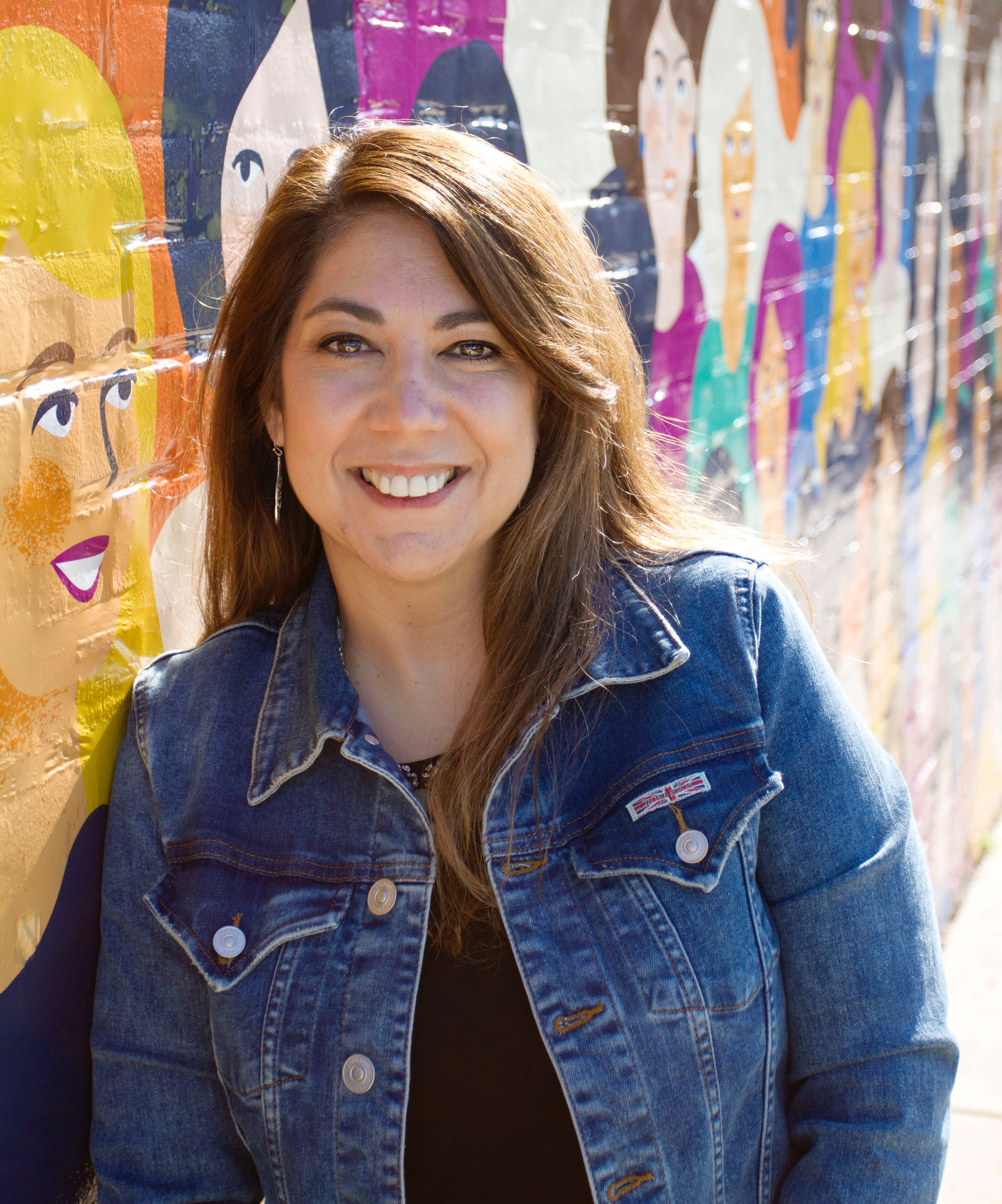
 My voice has been absent from the FAR Community as of late; and without good reason. Rather than engaging in dialogue, I have remained in a silo, alone with my thoughts. Something shifted for me a few years ago; and I haven’t been the same. I can’t articulate it. But what I can say is that from that moment I’ve question my feminism and faith and feel as if I’ve lost a part of my identity.
With such turmoil in our nation and the great division among us, I’ve wondered if being so steadfast in my principles has made me part of the problem. It seems we are in the midst of a political civil war; and if I’m being honest, so many of the people I love are standing on the other side of the divide. I haven’t known how to reconcile this, and I’ve been grieving.
The intersection of religion, gender, and politics has been an intense focus of my research and work for quite some time. And now, to engage in such work serves as a reminder of our current state and the hurt so many of us feel deep in our core. We wonder how anyone could think differently from us when the answers are so obvious. With such critical issues on the line it is easy to write each other off, to walk away, sever relationships, and cling to the comfort of an echo chamber. Yet, with such a response, the division continues and there is no reprieve from our grief.
As I wonder how we can overcome this, I return to the philosophy of Carol Christ. Sharing our stories, hearing our own experience in those of another reminds us that we are not alone. It also reminds us that commonalities do exist among us that can help bridge our divides.
In search of healing in my own journey, I’ve decided to do what I know – start another project. If you know me, you might be laughing right now, or rolling your eyes. Nonetheless, I’ve launched a podcast and workshop series to share our stories and discuss when it is okay to be bold, take risks, and break the rules to create a better outcome. My hope is that we recognize one another in the small intimate details of our lives and find a space to begin a conversation that centers on what brings us together.
It might be foolish or a band aid to shield my own wounds. But in these moments, I think it is important that we consider what we are grieving and how we might re-envision our lives in a way that allows us to move forward.
Listen to my latest podcast episode featuring Monica Coleman or consider registering for a workshop.
Gina Messina, Ph.D. is an American feminist scholar, Catholic theologian, activist, and mom. She serves as Associate Professor and Department Chair of Religious Studies at Ursuline College and is co-founder of FeminismAndReligion.com. She has written for the Huffington Post and is author or editor of five books including Women Religion Revolution. Messina is a widely sought after speaker and has presented across the US at universities, organizations, conferences and on national platforms including appearances on MSNBC, Tavis Smiley, NPR and the TEDx stage. She has also spoken at the Commission on the Status of Women at the United Nations to discuss matters impacting the lives of women around the globe. Messina is active in movements to end violence against women and explores opportunities for spiritual healing. Connect with her on Twitter @GMessinaPhD, Instagram: @GinaMessinaPhD, Facebook, and her website ginamessina.com.
 The days are slowly winding down toward Winter Solstice in the northern hemisphere, the longest night of the year. Today the sun rose at 7:20 and will set at 5:08 in Crete. In Sweden, the sun will rise at 9:25 and set at 2:12. Though I light candles in the darkness of morning and have lights on my tree, I am not celebrating the “return of the light,” but rather welcoming the restful dark.
 Mary Sharratt is on a mission to write women back into history. Her acclaimed novel

 In the 1960s and 1970s, American-born Genevieve Vaughan was living in Rome with her husband, philosopher Ferruccio Rossi-Landi, and their three daughters. When Rossi-Landi, using Marxist models, began to write about language as a form of “exchange,” Vaughan was inspired to articulate her alternative theory based on the idea that language was developed and is learned through the gifts of the mother to the child. From that beginning, Vaughn developed an alternative theory of culture based on what she calls the “gift economy.”
 It is just past mid-January. The almost-ex-prez is sitting at the desk, staring at his smartphone. It begins shaking in his hand. There is a pile of documents on the desk, his Sharpie lying on top. The Sharpie suddenly rises into the air, black ink dripping from its pointy end. Almost-Ex hears a strange sound and looks at the giant big-screen TeeVee hanging on the opposite wall. The TeeVee is sprouting red fur! It slides down the wall and lands on the floor with a furry crash. As it explodes, tiny people fall out and begin yelling in big voices. “It’s not over till the recount is done.” “Always attack.” “It’s a conspiracy.” “It’s Fake News.” “Don’t listen to nobody but us.” “We know the Real Truth.” “Never give up.” “Never give in.” “It’s time to fire—”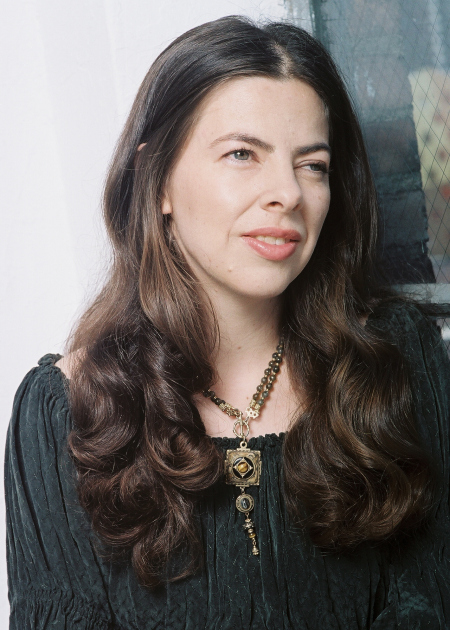
 As we careen toward ever more terrifying surges in the Covid pandemic, with experts predicting
  Feminism and Religion