

 Sixteen years ago, I was living alone in New Orleans in a lovely Craftsman’s Cottage I’d purchased the year before. In late December—just around now—a friend called to tell me about a kitten she’d seen at her Uptown veterinary office: “It’s time you got a familiar,” she declared. “I think this one’s perfect for you.” Grudgingly, I agreed to visit the vet’s office and take a look at the little black-and-white female tabby she’d seen. I wasn’t at all sure I was ready, but Mary was my priestess, the leader of our small coven, and I trusted her implicitly.
I’d lost two beloved cats—Charlie and Lisa—a few years earlier, cats who’d made the journey with me from Philadelphia—where I earned my Ph.D.— to Oklahoma—where I had my first teaching job— to New Orleans—where I’d been teaching since 1990. Charlie and Lisa had been a sort of ballast, accompanying me through huge changes of circumstance and locale, loving me and letting me love them no matter what. I’d nursed Charlie through several years of diabetes, giving him daily insulin injections, and my partner had regularly administered subcutaneous fluids to Lisa after she’d been diagnosed with kidney disease. Charlie died in our arms, and we buried him in the backyard behind my little cottage near Bayou St. John; Lisa died less gently, but she too was buried with great ceremony behind the house we later shared. Continue reading “My Feline Familiars by Joyce Zonana”


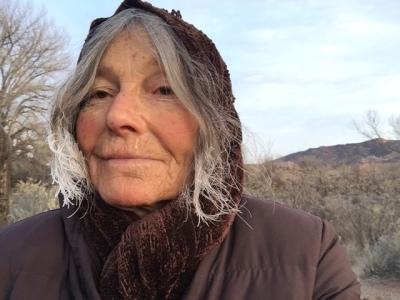

 A few days ago, a friend told me she had just learned that she had a 2x great-aunt who was a beloved and honored single white teacher in the US south in the first half of the twentieth century. The beloved teacher had a school named after her. My friend never heard anything about her distinguished relative while growing up. As a woman without children herself and a teacher, she wished she had. “There are many of us,” she commented.
 If you have not yet realized that the Christmas story is a story of liberation from oppression, it is time to realize that. I like to dust off the patriarchy and misogyny of scriptural writers to find the beautiful wisdom within the stories and songs. Here is my daily devotional for the third week of Advent, the week of Love. May our ever-birthing Goddess guide you to recognize and birth Joy, with all Creation. As the sky turns dark, may our candles shine ever brighter, together.
  Ah, Christmas. So nostalgic. So sentimental. Fat, fluffy sheep. Singing angels. The ‘little Lord Jesus,’ asleep on the hay. Happy sigh.
 From the very moment after the dust settled from the 2016 elections, notions of impeachment started to break. Now three years into the Trump Presidency, impeachment proceedings have been launched. To start, Impeachment is a Constitutionally supported right. It is an element of the “Checks and Balances” system to ensure that no one branch of the government holds too much power. Instigating impeachment processes is not treason, nor is it unpatriotic – it is a testament to the democratic procedures established by the founding fathers and maintained for the last 230 years.

