

 Feminist theories and theo/alogies are often concerned with voice, naming and re-membering. Many feminists do this work, again and again, because of persistent silence and silencing, invisibility, erasure of stories, desires, religions and ways of being, because of missing histories, and a dominating culture’s inability and unwillingness to hear those they marginalize. We “hear each other into speech,” to counteract and recreate, to find power in ourselves and with those whom we share common cause.
We hear each other into ….speech.
Speech is treated as a sacred thing; and certainly, I hold the stories and voices of those with whom I’ve shared parts of my own feminist journey very sacred. I find the ability ‘to voice’ sacred. But I am also aware that as a citizen of the United States, “speech” or more specifically, “freedom of speech,” is sacralized as a part of my national mythology.
It is an implicit myth: all one needs to do is utter the word “speech” in the United States to conjure images of protest, civil rights, the free press, revolution, etc. There are many heroes in this mythology, most of whom “spoke truth to power,” rebuffing domination for the “common good.” The ‘free speaker,’ is often cast as the subjugated “everyman” (sic) whose autonomy and purpose drive society towards greater freedom. “He” and “his” subjugation, real or “alternative fact,” are then made to serve the larger myth of the American Dream. There is a major problem here: “the American Dream” is about freedom and independence for the white, Western male. So is it any wonder, then, that the myths surrounding “freedom of speech,” are so easily turned around to villianize those who might challenge this hegemonic power? Continue reading “Freedom and Speech by Sara Frykenberg”

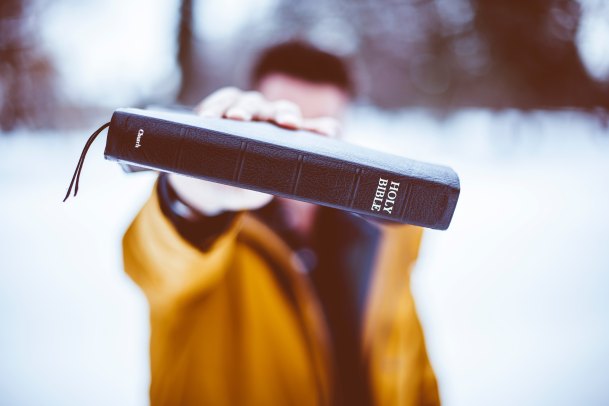
 We treat the physical assault and the silencing after as two separate things, but they are the same, both bent on annihilation.
 Once again it is time for another blog post, and once again I find it difficult to write. The news embroils you in a landslide of negativity and you feel like all common sense and rationality has dissipated – I even made the comment that I am glad I am not young because I fear the state of the world in the future.
 A female friend recently posted an article by a woman writer about motherhood. The article was entitled “Children are NOT life’s flowers” (referring to a famous Russian saying which means that children are what makes life beautiful).
 It is amazing that in the current atmosphere of bringing out into the open so many issues, motherhood is not much discussed. Sexuality, gender and abuse are OK to speak about and question. At the same time, it is only within medical profession that such issues as “baby blues” or post-partum depression are valid topics.
 The accusations made by over seventy women against entertainment mogul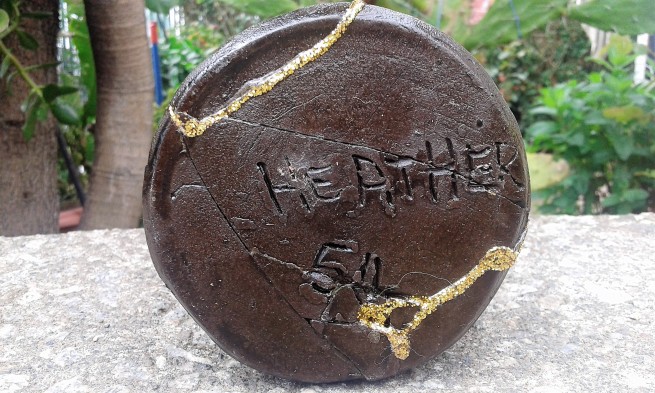


 Feminism and Religion