

 I was asked recently what frustrates me most about theology. I am a theologian, and love doing theology. Nevertheless, I do have my moments of frustration with the theological enterprise. I am most frustrated when theology loses its dynamic edge and focus. Too much of theological reflection has become “navel gazing” falling prey to the infamous accusation of Medieval theology, that is, wondering “how many angels can dance at the end of a pin.” It seems to me, that we must not lose sight of the fact that the foundation of theological reflection is the revelation of god, which is nothing less than god’s movement that is god’s dance, in human history. All that we know about the transcendent reality is made known to us by that reality making itself known by entering into our world. The best of theological reflection, then, is a response to that revelation, wrestling with the meanings and challenges of god’s revelation to us. Again, far too often our theology is consumed by intellectual strivings as opposed to struggling with god. We, as theologians and religious thinkers, find ourselves debating the essence of god—who god is in god-self, what we call the godhead—as opposed to who god is in relationship to us and our world. Too often we focus our attention on the appropriate pronouns and nouns that we should use to define god as opposed to the verbs that describe the very movement of god in our world. And so, despite the fact that we do not know god in “god-self” or in the god head, theological reflection is spent debating it, and has a long history of debating it. In the meantime, the world stays just as it is—which is anything but a reflection of the gods/goddesses we claim to follow. Even as we can assume that who god reveals god-self to be is a reflection of the very essence of god, theological reflection is best served not by this upward, inward turn to god, but by following god outward into our world. As god moves toward us and into our world, so too are we to move toward one another and into the world, for this is where we will find god. Theological reflection must not be about who god is in god-self, but rather about who god is for us and who we are to be for god. Theology, as it is essentially grounded in the notion that god acts first, is at best an attempt to discern how god is acting so that we can act back in a responsive and responsible way. So what does this mean? Continue reading “Theological Reflection: Outward, Not Inward by Kelly Brown Douglas”
Category: Interreligious dialogue
Heart of the Matter by Oxana Poberejnaia
 My friend whom I teach frame drumming teaches us shamanic journeying. There was an episode in one of my journeys, when, unable to see the way forward, I put the palm of my hand on the ground and went down a hole I was creating to the core of the earth. Since then, this scene came into my mind several times when I was talking to friends about inner truth. Also, the posture itself bears uncanny resemblance to the iconic Buddha posture of touching earth with his right hand.
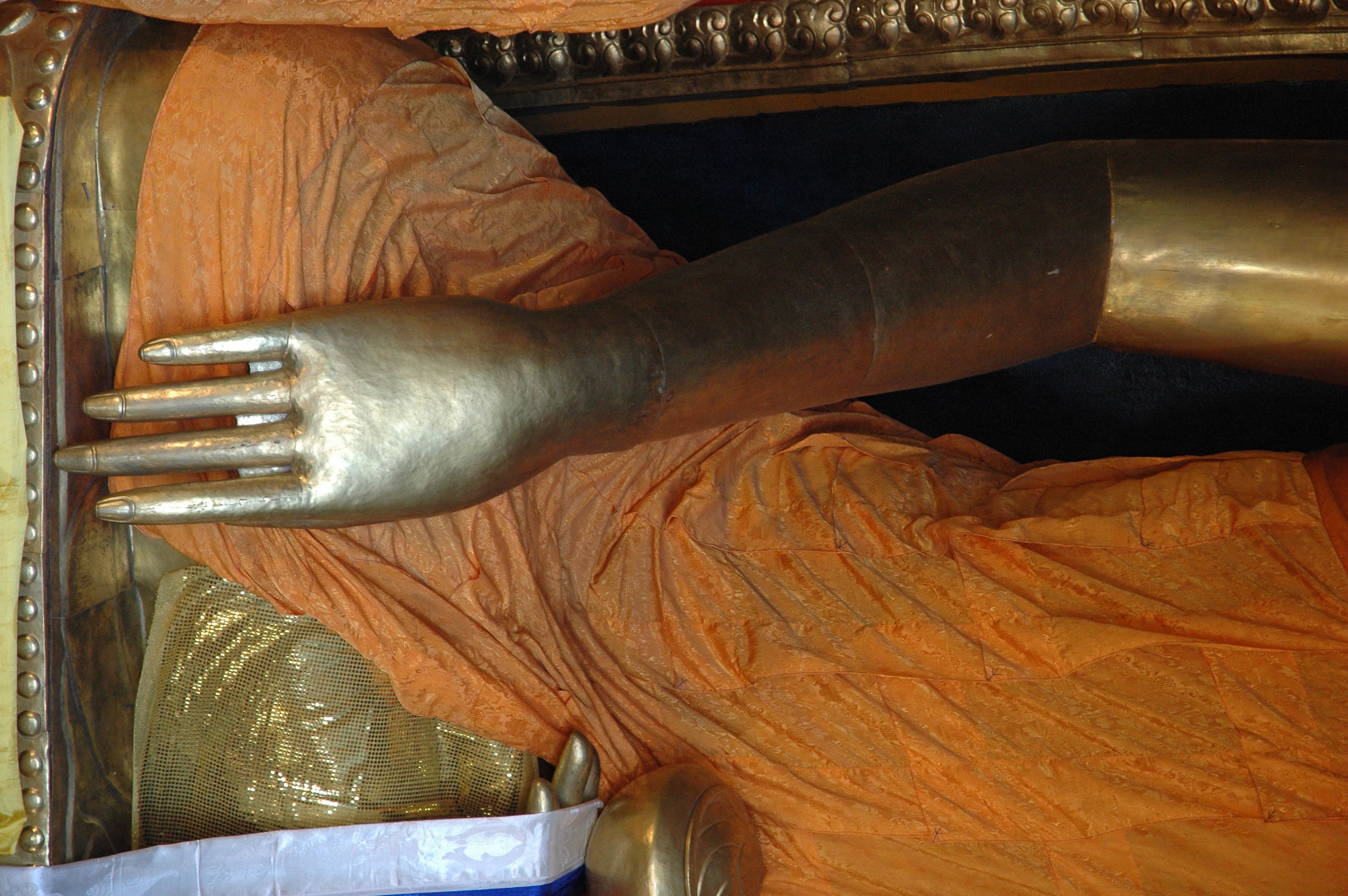
According to a Buddhist legend, on the night of Enlightenment Prince Siddhartha encountered Mara, the Lord of Death, who threw various hindrances the Buddha’s way to prevent him from attaining Supreme Enlightenment. The final challenge was Mara’s claim that the Buddha had no right to be in the seat of Enlightenment. The Buddha then touched the earth with his right hand to call Her as a witness of his past spiritual achievements and his right to gain Enlightenment.
“Never Again…” by Ivy Helman
 Every year, the Greater Lowell Interfaith Leadership Alliance, GLILA, sponsors an interfaith service on genocide. During these services, the community gathers together to remember, to mourn, to heal, to honor and to work towards a world in which Elie Wiesel’s words, “Never Again!” ring true. Three years ago, we focused on the Shoah and the year after that the Armenian genocide. Last year it was Cambodia under the Khmer Rouge and this year our focus is Rwanda. Part of this preparation is self-education. I would like to share with you a few of the things I have learned through my own research about the Rwandan genocide as well as some reflections on this difficult, yet extremely important topic.
In many ways, the Rwandan genocide is a direct consequence of colonialism as well as a United Nations’ failure to respond to warnings. Before colonization, first by the Germans and then as a spoil of WWI for the Belgians, the Hutus, Tutsis, and Twa peoples lived in relatively peaceful coexistence. Yes, there were acknowledged differences between the three groups based on caste-like descriptions, but they also all spoke the same language, practiced the same religion, intermarried, and co-existed together for a long time. Generally, the Hutus who made up 85% of the population were the lower caste, so to speak, and were associated with labor and farming, while the Tutsis, 14% of the population, were the herders. This occupation often generated more wealth and prestige than farming did, so Tutsis were also long associated with the elite in economic and political terms running small chiefdoms and the like. According to Philip Gourevitch in We Wish to Inform You that Tomorrow We Will Be Killed with Our Families: Stories from Rwanda, these were fluid categories of sorts where it was possible to become part of another group through the acquisition or loss of wealth (see page 47). Continue reading ““Never Again…” by Ivy Helman”
Rosemary Radford Ruether’s Quests for Hope and Meaning by Gina Messina-Dysert
 Rosemary Radford Ruether is one of the most brilliant theologians of our time and her newly released autobiography, My Quest for Hope and Meaning, is a gift to those of us who have been so touched by her work. In this intimate and beautiful piece, Ruether shares her personal journey in feminist scholarship and activism. The autobiography opens with a profound forward by Renny Golden (that is also shared here on Feminism and Religion) and continues with an introduction and six chapters where Ruether guides us through an exploration of the influence of the matriarchs in her life, her interactions with Catholicism, her continued exploration of interfaith relations, her family’s struggle with mental illness, and her commitment to ecofeminist responses to the ecological crisis.
Ruether states that “Humans are hope and meaning creators” (xii), and her autobiography details her own quests for hope and meaning. She reflects on the incredible impact made by the female-centered patterns in family and community in her life. According to Ruether, these “matricentric enclaves” grounded and shaped her interest in feminist theory and women’s history. She also describes the spiritually and intellectually serious Catholicism that she received from her mother and articulates her continued frustration with Vatican leadership that has undermined the efforts of Vatican II. For Ruether, her ongoing affiliation with feminist theological circles is crucial as she continues to work toward shaping an ecumenical and interfaith Catholicism.
Continue reading “Rosemary Radford Ruether’s Quests for Hope and Meaning by Gina Messina-Dysert”
An Interview with Lyz Liddell from the Secular Student Alliance by Kile Jones
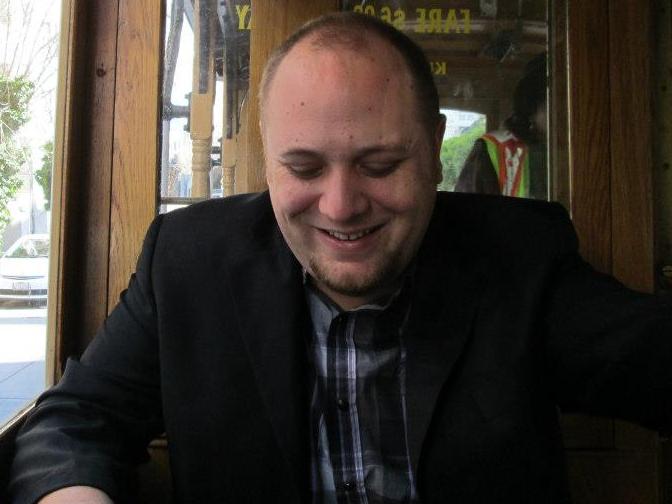 In this post I interview Lyz Liddell, Director of Campus Organizing at the Secular Student Alliance. I first got in contact with Lyz about the idea of building a Humanist Center at my school, Claremont Lincoln University. She was very helpful and inspiring. I then had the pleasure of meeting her face-to-face when I gave a presentation on “Atheism and Interfaith” at the Secular Student Alliance’s Annual Conference in Las Vegas. So once again, I give you an interview with a strong female non-believer:

Can you give us a little background to how you became interested in secular activism and how you became the Director of Campus Organizing for the Secular Student Alliance?
I first became interested in secular activism via our Executive Director August Brunsman, close to ten years ago. The editor of our newsletter had recently acquired some fame (that was Hemant Mehta, with the fame from his experience of selling his soul on eBay) and was no longer able to commit to the regular editorial schedule; I was asked to step up, and since I had some editing experience, I took it on. Up until that point, I had been a “layman,” if you will – secular for sure, but not really an activist. Through several years of editing that newsletter, I learned what secular student groups were doing, and what was happening in the secular movement at large. The more I encountered, the more enthusiastic about it I was. I started going to conferences to get more information and news for the newsletter, and got more involved with the organization’s staff and volunteers and affiliates. When the campus organizer position opened up in late 2008, I stepped up into that position, and we’ve grown it from there (2 full time staff and some volunteers, a board of mostly college students) to the professional organization we are today (9 full time staff, 4 part-timers, a professionalized board and dozens of dedicated volunteers; we’ve grown from ~100 affiliates in 2008 to over 400 today).
Interview an Atheist at Church Day by Kile Jones
 As some of you may know, I run a project called “Interview an Atheist at Church Day.” This project aims at bettering understanding and furthering dialogue between atheists and Church-going religious persons. So far we have had over a dozen interviews take place, and we have more in the making. If you are a pastor interested in interviewing an atheist during service, or an atheist willing to be interviewed, please contact us here.
Our most popular interview so far is with Neil Carter (atheist) at a church in Mississippi. You can read up on it here and watch it below. At Feminism and Religion, I have made it my task to highlight some strong atheist women, and discuss some of the ways in which they can work together with religious women (sometimes this can cause a little friction). Gretta Vosper, a pastor in Canada, is just such a woman. She was interviewed as an atheist IN HER OWN CHURCH! If you are not familiar with her work, I highly recommend it. Another strong atheist woman who has participated in this project is Sarah Kaiser. She works with the Center for Inquiry promoting LGBTQ rights. Continue reading “Interview an Atheist at Church Day by Kile Jones”
The Inter-Faith Youth Initiative and Feminism by Ivy Helman
 From June 25th through July 2nd 2013, I participated, as one of three Jewish mentors, in IFYI (Inter-Faith Youth Initiative), an inter-faith immersion experience for high school and college-age youth sponsored by Cooperative Metropolitan Ministries (CMM). The mentors and the rest of the staff guided, encouraged, empowered and supported 30 participants. Throughout the week, I also led an art interest group and co-led an affinity group with Beau Scurich, the Muslim chaplain at Northeastern. The entire community of participants and staff gathered around the week’s theme: the ways of truth and love. As Mahatma Gandhi said: “When I despair, I remember that all through history the ways of truth and love have always won. There have been tyrants and murderers, and for a time, they can seem invincible, but in the end, they always fall. Think of it–always,” (emphasis added).
IFYI was not only an exercise in how to live out the ways of truth and love, but it also became a vehicle through which the participants and staff expressed to the larger world what the ways of truth and love meant to us. Here is some of what the ways of truth and love came to mean throughout our journey together. Continue reading “The Inter-Faith Youth Initiative and Feminism by Ivy Helman”
Thanks for Coming (Out): Sexuality, Sports, and Spirituality by John Erickson
I have to be honest, Jason Collins’ admission that he was a homosexual, albeit brave, upset me. While coming out is an completely unique experience to every individual that does it, Jason Collins’ story was just another example of the rampant sexist and heteropatriarachal world that privileges male bodies and sexualities over women’s similar experiences. While I applaud Jason’s story and it’s timing, the first thing I asked to my colleagues was: Where was the hubbub over Sheryl Swoopes or Martina Navratilova?
 Like marking off items on a proverbial checklist, closeted LGBTQ individuals who exist within and outside of the world of professional sports, can recount the numerous things they struggle with in terms of their sexuality. From fearing of the actual coming out process, dressing in their car or at home to avoid the subtle glances and whispers of individuals in the locker room, to wondering what coming out would mean not only for their game but also for their social and, if they choose, spiritual lives, closeted and out LGBTQ individuals within the multi-billion dollar professional sports industry must grapple with that age old question: what does it mean to be gay and open about it?

I have to be honest, Jason Collins’ admission that he is a homosexual, albeit brave, upset me. While I understand that coming out is an completely unique experience to every individual who does it, for me Jason Collins’ story was also an example of the rampant sexist and heteropatriarachal world that privileges male bodies and sexualities over those of women. While I applaud Jason’s story and the timing, the first thing I asked to my colleagues was: where was the same hubbub over Sheryl Swoopes or Martina Navratilova? Continue reading “Thanks for Coming (Out): Sexuality, Sports, and Spirituality by John Erickson”
And Thus God made a Covenant with Hagar in the Wilderness by Michele Stopera Freyhauf
 We are familiar with the covenant God made with Abraham and Moses, but are you aware that God also made a covenant with Hagar?
In the wilderness Hagar encounters a deity at the well named Beer-lahai-roi (Genesis 16). Water and wells are important because they symbolize fertility and life. Wells for women are common places where they met their future spouses. Because wanderers in the desert need water to survive, water itself becomes a symbolic of life-giving or life.
In the seemingly barren dessert, the fertile Hagar finds out that she is pregnant and going to be the mother of many children. Hagar is promised progeny in a motherless state. According to Pamela Tamarkin Reis, this is called the “after-me” descendants, which guarantees Hagar that her children will live for “immeasurable generations;” a pattern that fits within the scope of this promise. This same promise of progeny is also given to Eve in Genesis 3:20, providing and interesting parallelism between Eve and Hagar.
It is worth pointing out the irony exists in this promise. Sarai uses Hagar to “build her up.” According to Nahum Sarna, to be built up in terms of the number of children that you have, implies that you are mother to a dynasty. In this pericope, however, it is Hagar, not Sarai that is built up through this divine promise.
This patterns of promise exists within the birth narrative through the annunciation of Ishmael and the promise of progeny. It is through this narrative that Hagar enters into a covenantal relationship with the deity. According to J. H. Jarrell, birth narratives have six common elements that establish this relationship: mother’s status, protest, offer, son’s future forecast, Yahweh naming, and acceptance of the contract. Hagar’s story contain these elements:
- Mother’s Status: Hagar is without child because she is a virgin (16:1).
- Protest: Hagar flees from her mistress (16:8).
- Offer: Return to your mistress and submit to her authority (16:9).
- Son’s Future Forecast: He will live at the east of all his brothers (16:12).
- Yahweh Naming: You will bear a son Ishmael because the Lord has given heed to your affliction (16:11).
- Acceptance of the Contract: She called the name of the Lord (16:13).
The Crime of Being a Girl Scout: The Sin of Raising Strong Female Leaders by Michele Stopera Freyhauf
 Cradle Catholic and Woman
Educated by the U. S. Vowed Religious
Support the U. S. Catholic Sisters
Support, Minister, and Live the Social Gospel
Theologian, Feminist, and Critical Thinker
Former Girl Scout Leader of Three Troops
Former Girl Scout
I am all of these things and more. By the recent attacks by the hierarchy of the Catholic Church, I am beginning to think I am the problem. I seem to stand for everything the Vatican and USCCB seek to silence. Is it because of my organizational ties with the U. S. Vowed Religious and Girl Scouts, or my writings as a Feminist and Theologian? Maybe the answer is simply – because I am a woman.
According to the criticisms launched by the USCCB and the Vatican, I seem to be part of the problem rather than the solution. Why is this so? It was not until I started my journey in ministry that my idealistic “Catholic” bubble popped – not so much by me, but by those in ministry and leadership, by those that did not like laity to pose questions and think critically about their faith beliefs, and by those that do not like people who do not fit within the preconceived mold of what a “good Catholic” should be. This ideological construct is difficult enough when you are part of a Church community, but when you begin to embrace leadership as a woman, question teachings, exercise your canonical rights, your peers and even people you thought were your friends, no longer talk or associate with you. The betrayal is vicious and runs deep – it is behavior not becoming of a minister or one who professes the Catholic faith.
If the attack on you is not enough, these same people victimize your children through their words and behavior. It is a difficult position for anyone to survive spiritually. For children of the Church who bear witness to this hypocritical behavior, a journey begins – they search for meaning within the spiritual realm and become disgruntled with anything that resembles organized religion. A place where one seeks community and spiritual nourishment becomes a place of oppression and starvation. If attacking family is not enough, let’s start attacking groups that promote community – groups like the Girl Scouts of America.
So, what is the USCCB’s problem with the Girl Scouts of America? Basically, this organization is under fire for suspected deviant thinking and positions that stand opposed to Church teaching. Continue reading “The Crime of Being a Girl Scout: The Sin of Raising Strong Female Leaders by Michele Stopera Freyhauf”

