To Nurse at the Same Breasts: Muslim-Jewish Kinship in Literature and Life by Joyce Zonana

It is tempting to read these recurring images of milk twins in Arab-Jewish literature as no more than a symbol, albeit a powerful one, of the profoundly intimate “brother- (and sister-)hood” of Jews and Muslims in the  pre-partition culture of the Middle East and North Africa.

But the image of “milk twins” is much more than a metaphor or a symbol: it represents a reality. For it seems that many Jewish and Muslim women, living side by side as they did, had in fact regularly nursed one another’s children.

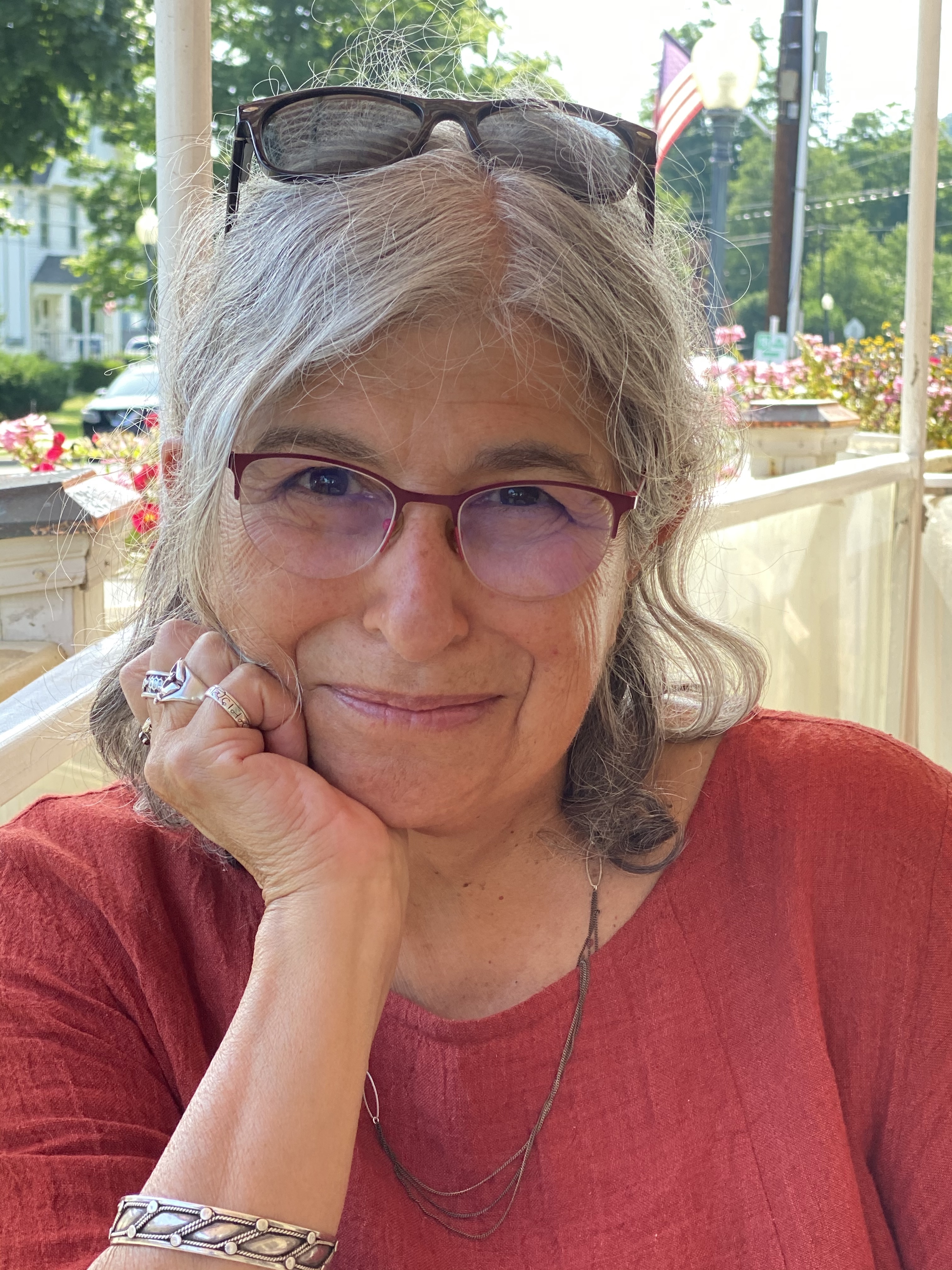
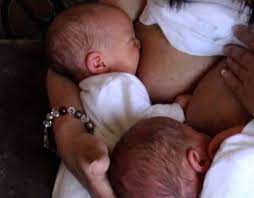
Joyce Zonana. headshotTobie Nathan’s panoramic novel about Jews and Muslims (and Christians) in early twentieth-century Egypt, A Land Like You, revolves around one central image: two infants—one Jewish, one Muslim; one male, one female—peacefully nursing at the breasts of a young Muslim woman, Oum Jinane (“Mother Paradise”).

After the birth of her long-desired daughter Masreya (“The Egyptian Woman”), Jinane travels from her poor Muslim neighborhood to a poor Jewish neighborhood to help another young mother whose long-desired infant son is languishing because she has no milk.  “It’s a miracle, a great miracle,” the Jewish boy’s relatives declare:

images

Never had any neighborhood in Cairo been so excited by a baby’s nursing. Until bedtime, the child nursed three more times at the breasts of abundance. He took hold of one nipple, little Masreya  another, and the two children’s hands sometimes touched. You would have thought they were two lovers entering Paradise as they held each other’s hands.

Continue reading “To Nurse at the Same Breasts: Muslim-Jewish Kinship in Literature and Life by Joyce Zonana”

God’s Womb by Joyce Zonana

The first time I came across the phrase, I thought I must be making a mistake. “Que Dieu l’enveloppe dans sa matrice,” the passage read in French, “May God’s womb enfold her.” or possibly, “May God enfold her in His womb.” His womb?

Joyce Zonana
The first time I came across the phrase, I thought I must be making a mistake. “Que Dieu l’enveloppe dans sa matrice,” the passage read in French, “May God’s womb enfold her,” or possibly, “May God enfold her in His womb.” His womb?

I’d just started translating Ce pays qui te ressemble [A Land Like You], Tobie Nathan’s remarkable novel of Egypt’s Jews in the first half of the twentieth-century, and I couldn’t be sure I was correct in thinking that “womb” was the proper rendering for “matrice.” But a quick search confirmed my hunch. Matrice (from the Latin matrix < mater) might be translated as “matrix” or “mould,” but that made no sense here. “Uterus or womb” was the anatomical meaning, and it was the first meaning listed in my French dictionary.

The phrase, or something very like it, kept turning up, always after a dead person was named:  

Que Dieu accueille son âme en sa matrice.

Que Dieu l’enveloppe dans sa matrice.

Que Dieu la berce dans sa matrice. 

May God’s womb welcome his soul.

May God’s womb enfold him.

May God’s womb cradle her.

In all, “God’s womb” is mentioned seven times in this novel set in Cairo’s ancient Jewish quarter, Haret al-Yahud. Each time, it’s part of a ritual prayer, a formulaic wish for the wellbeing of a departed soul. But what extraordinary wellbeing is wished for here, what a remarkable envisioning of God as the possessor of a welcoming, warm womb. Continue reading “God’s Womb by Joyce Zonana”

Fasting During Covid-19 by Jamilah Ali

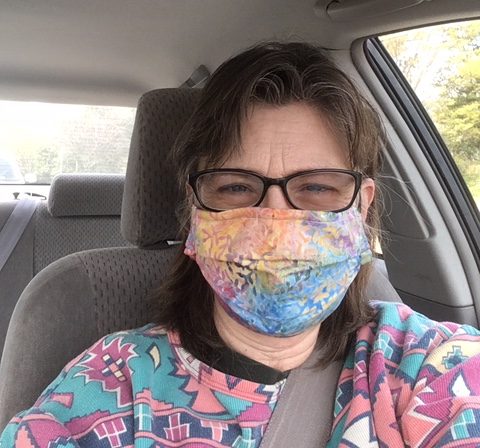
My beautiful mask was made by my sister-in-law, Gloria

“O you who believe, fasting is prescribed for you as it was to those before you, that you may (learn) self-restraint.” Quran 2:183“

This month of Ramadan 2020 is auspicious for me as it is my 30th year of fasting after I converted to Islam in late 1989. For those who do not know, Ramadan is a month of fasting which Muslims are instructed by God to observe unless sick, pregnant or traveling. We are allowed breakfast before dawn and then no food, drink or sexual intercourse during the daylight hours.  Fasting includes your speech; not to lie, argue or backbite.

The fasting hours in my locale this year are from 5 am to 8 pm.  The evening meal after the fast is called iftar and is usually a time to gather at the mosque or friends’ houses to eat together. During Ramadan there are extra evening prayers and the whole Quran is recited. Ramadan is based on the lunar calendar, so the date moves up by 11 days each year. At the end of the month we have community prayer, a sermon and a three-day celebration called Eid.

2020 is like no other Ramadan in memory. The irony is not lost on many of us fasting this year that God timed it this way. During the pandemic, quite surprisingly I am more connected than ever. Normally, as a Progressive Muslim the month is a little lonely for me. Usually my girlfriend is supportive, but not to the point of fasting with me. We had a group who met together to read Quran, but we never completed the effort in full measure due to logistics. We would meet for an iftar every year at a member’s home.  I may go at least once to break my fast at the traditional mosque. Usually Eid was the celebration we would look forward to, meeting with the whole community for prayer and then out to breakfast wearing our best outfits.

Continue reading “Fasting During Covid-19 by Jamilah Ali”

What I Learn from Women in Southern Morocco by Laura Shannon

I feel deeply fortunate to be able to travel regularly to southern Morocco. In Taroudant in the Souss Valley, and further south in the Anti-Atlas Mountains, my groups of students have the chance to discover women’s cultural traditions including music and dance, weaving and embroidery, household and healing rituals. In the seven years I have been leading these tours, women have joined me from a dozen different countries and as many different faiths, and most of them end up feeling at home here just the way I do.
What makes southern Morocco so special? Many threads come together to create the extraordinary ambience which permeates this part of the country. First of all, there is the Berber influence: a large percentage of Moroccans in the South are Berbers, and many elements of ancient North African Berber culture, with roots in Neolithic times, remain percepible beneath the relatively recent overlays of Arabic culture and Islam.

Continue reading “What I Learn from Women in Southern Morocco by Laura Shannon”

“If All Knowledge Must be Reinterpreted, Why Not Religion?” Says Islamic Feminist

xcelina-feminismo.jpg.pagespeed.ic._RyiiQg3TR.jpg

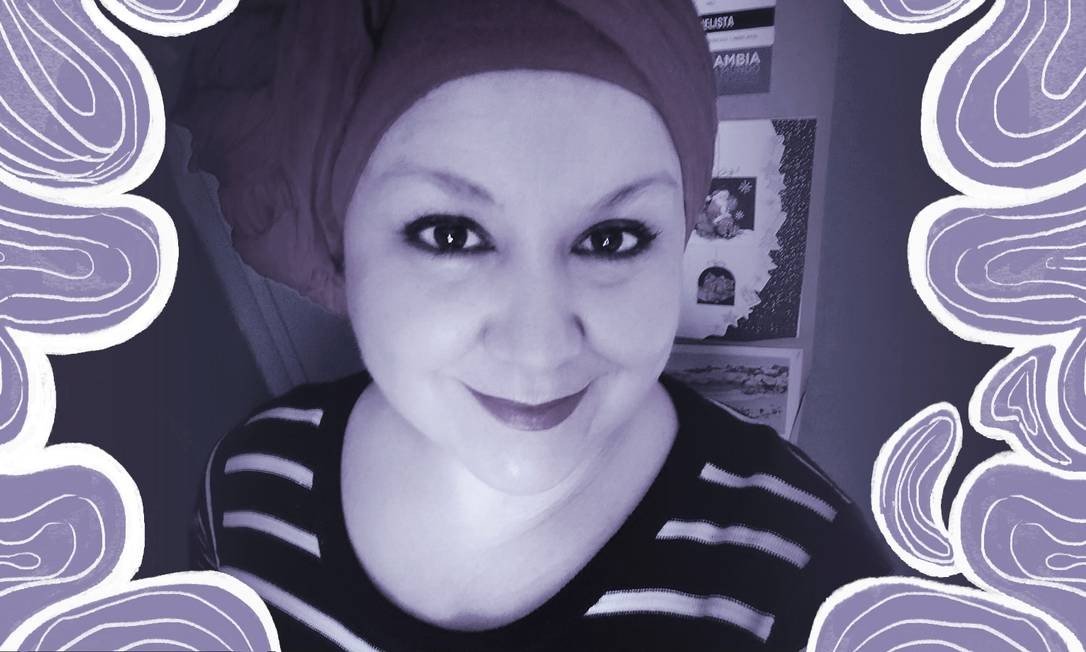
Vanessa Rivera de La Fuente is Muslim, feminist, and a human rights activist
Photo: Personal archive

Background: Journal O ‘Globo, one of the most important newspapers in Brazil, belonging to the transnational media group of the same name, published this interview with Vanessa Rivera de la Fuente on Islamic Feminism. Given its relevance to the discussion on the subject, it was translated by prominent Islamic feminist and scholar Keci Ali to share it with English-speaking readers.

The Muslim women’s movement has different agendas in accordance with the reality of each country. In Latin America, the Muslim Vanessa Rivera fights against prejudice about Islam.

by Isabela Aleixo*

Vanessa Rivera de La Fuente is Chilean and Muslim. Besides being an academic researcher, she’s also an Islamic feminist engaged with questions of gender, human rights, and social development. Vanessa has wide experience in social projects in Latin American countries.

In an interview with CELINA, she discusses the prejudices that Muslim women face in Latin America, explains the movement’s demands, destroys stereotypes, and declares: “I’m a woman and I demand to be treated as a person.”

Do you consider yourself an Islamic feminist? Why?

I consider myself a feminist woman, who lives feminism in all the distinct facets of her life: I’m Muslim; I’m a single mother; I’m a professional woman, an academic; and I’m a women’s rights activist. I’m feminist with all my life experiences. I think being a woman in male-dominated society is itself a political fact, so everything that I am as a woman can be resignified by feminism, including being Muslim. Islam is integrated into my life and my political struggle, which is intersectional. It’s based on the radical idea that all women are people and we deserve equal rights and a world free of violence.

Continue reading ““If All Knowledge Must be Reinterpreted, Why Not Religion?” Says Islamic Feminist”

Islam is my Louvre – Part II by Valentina Khan

I was once asked “why do I stay Muslim”? That was the question prompt, and it begged an answer…Reason #2: I believe Islam has vagueness in the Quran (I answered Reason 1 and 2 yesterday…)
What do I mean by all this vagueness?

First of all, Judaism and Christianity-based characters have made appearances in Islam by way of shared stories and prominent shared figures: Adam, Abraham, Isaac, Ishmael, Lot, Aron, Moses, Job, Jonas, Noah, Jesus, Mary and so on. Growing up Muslim, these prominent religious figures across the Abrahamic spectrum were names that were mentioned time and time again as part of the religious history and teachings. So I feel a sense of relief, that as a Muslim, we are not sailing alone in the sea of faith with no shared history with any other faith, but we are on the same island (so to speak) with our Jewish and Christian brothers and sisters. Continue reading “Islam is my Louvre – Part II by Valentina Khan”

Islam is my Louvre by Valentina Khan

I was once asked “why do I stay Muslim”? That was the question prompt, and it begged an answer. A deep, well thought out, articulate, and concise answer. Shamefully, at that time in my life, I was stumped. I was speechless a long while, because I couldn’t think fast or clear enough to answer with sincerity. At that time, whatever I wanted to say, just sounded like the “schtick” — for example “oh, yes I stay Muslim because Islam stands for peace, and I’m a peaceful person so this is my biggest reason..(next day – terrorist attack by “Muslims” totally negating my “why”)… and other similarly situated examples as such. So, I knew my why had to be more layered, more significant and pragmatic, yet exciting.

It’s been a few years since, and I have thoughtfully mulled this question over and over in my head. From my social context, as devout as both sides of my family are to the faith, I personally, grew up as a “SoCal” girl. For me this means, I have many non-Muslim friends, and I have influences from all spectrums varying from interfaith efforts to intellectual atheists. Growing up and still today, I have conversations with women, especially, that go beyond following any type of faith tradition. Many of friends within my circles have used their faith as a roadmap to a “higher frequency”. Tuning into the world, into humanity, eliminating draconian mindsets, and living today trying to be in touch with all of it, rather than just a section of “it.” Continue reading “Islam is my Louvre by Valentina Khan”

#WorldHiyabDay at Issue by Vanessa Rivera de la Fuente

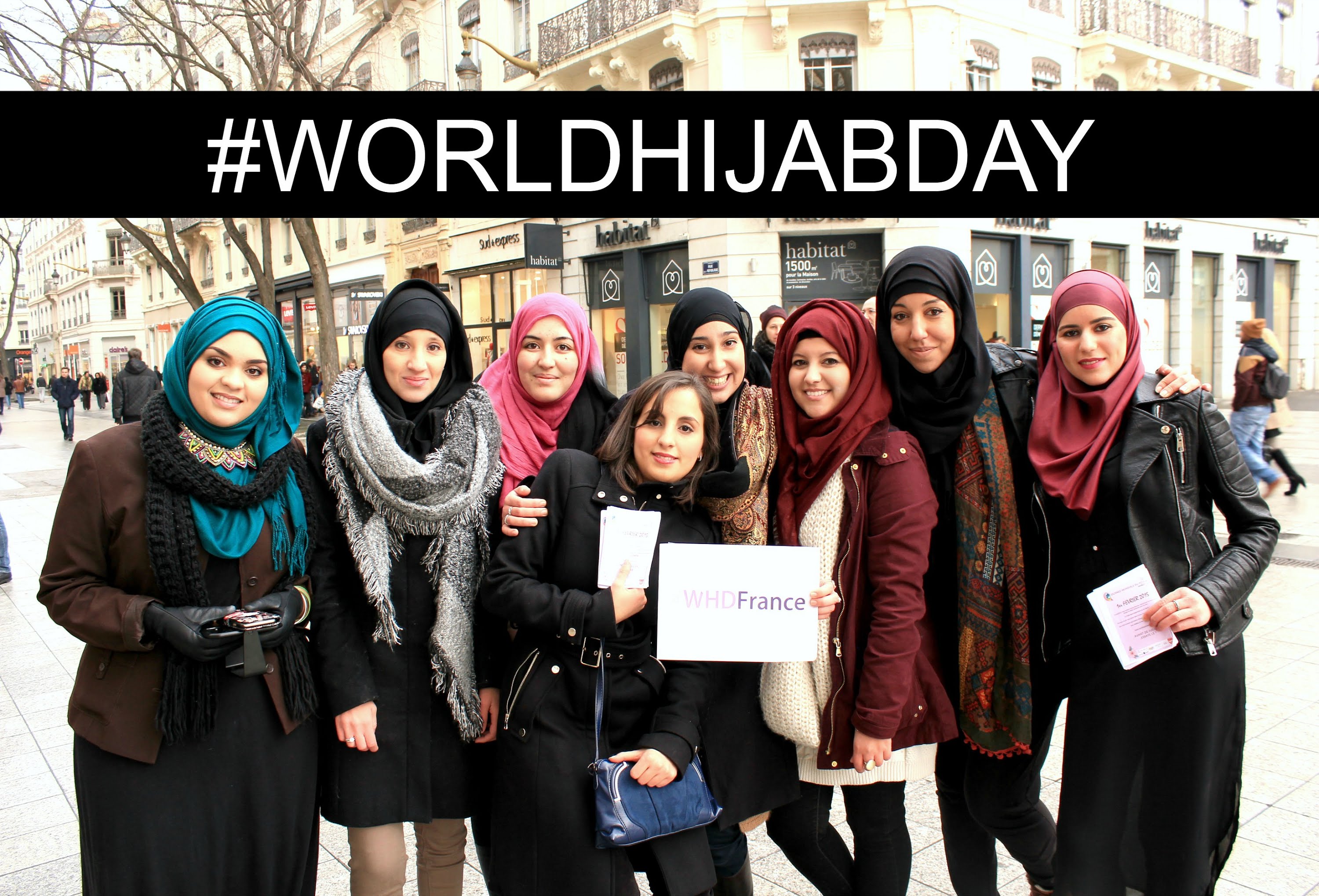
1-2When World Hiyab Day (WHD) was held for the first time in 2013, I was an enthusiastic supporter. Even my friend Maria de los Angeles from Venezuela, wore a headscarf for a day in sisterhood. She went to her job and celebrated her birthday in a tropical country, fully head-covered.

I am a muslim woman who wears headscarves and turbans. I benefit widely from “Hiyab Fashion,” an opportunity I have to be creative and original with my outfits. I do assume there are good intentions and will of sisterhood behind WHB, but as years go by, I’ve got disappointed about the celebration. According to its founder, Nazma Khan, an Islamic clothing entrepreneur, the purpose of WHD is “the recognition of millions of Muslim women who choose to wear the hijab and live a life of modesty.”

Maybe I am too picky, but this statement disgusst me for its hint of sexism and slutshamming. If heardscarf is equal to modesty and modesty is equal to virtue so, I wonder: Continue reading “#WorldHiyabDay at Issue by Vanessa Rivera de la Fuente”

Women v. Religion: The Case Against Faith and for Freedom BOOK REVIEW by Katie M. Deaver

In the book, Women v. Religion: The Case Against Faith and for Freedom, editor Karen L. Garst puts together the voices of women from a variety of backgrounds in an effort to present a case against faith.

While the introduction to the full volume suggests that women ought to turn away from all forms of religion the majority of the individual pieces that the book features focus on the Abrahamic religions: Judaism, Christianity, and Islam.  The included pieces are written from a variety of disciplines and viewpoints, some feature historical facts and timelines, while others are the raw and difficult personal stories of women struggling to leave the religions they were raised within.

Most of the articles dig into many of the traditional critiques of religion.  For example that the Abrahamic faiths are inherently patriarchal, and cannot be redeemed for women.  Others take these traditional arguments against religion a step further and argue that in addition to religion being a tool for female subjugation, religion has in fact inhibited Western progression and is a key reason why the United States has not yet had a female president, and why women continue to have to fight for their bodily and human rights.

Continue reading “Women v. Religion: The Case Against Faith and for Freedom BOOK REVIEW by Katie M. Deaver”

On Not Eating Gefilte Fish by Joyce Zonana

What does it mean to be an Arab-Jew in the twenty-first century? For me, it means recognizing and honoring Arab culture: the music, food, language, and customs my parents brought with them when they emigrated from Cairo in 1952; it means feeling a strong bond with other Egyptians, North Africans, and Middle Easterners, refusing efforts in the U.S. and elsewhere to demonize and “other” any of us. It means respecting the claims of displaced Palestinians and protesting Israeli occupation of Palestinian territories. It also means not seeking to equate our displacement with Palestinian displacement, as some Jews from Arab countries have sought to do, in a transparent effort to discredit Palestinian suffering.

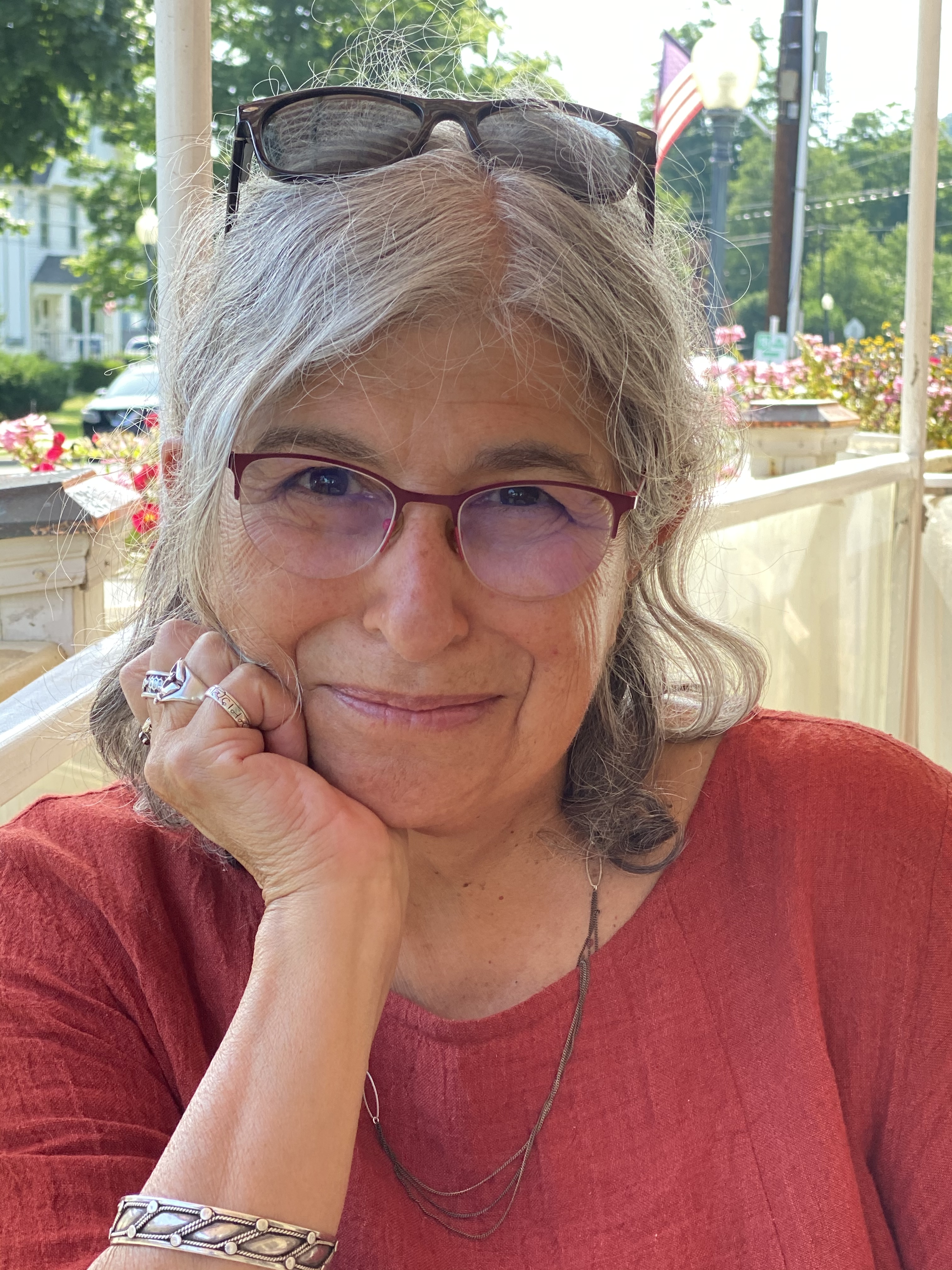
jz-headshotWhen I was growing up in 1950s Bensonhurst, in Brooklyn, NY, my identity as a Jew was often called into question. “You mean you’re Jewish? And you don’t know about gefilte fish?” my best friend’s Eastern European (Ashkenazi) Jewish mother asked, shocked to discover that our family ate stuffed grape leaves rather than stuffed cabbage. “What kind of a Jew are you?” schoolmates challenged. When I answered “Sephardic . . . from Egypt,” they would reply. “But all the Jews left Egypt a long time ago, isn’t that what Passover is about?”  “No,” I would say, having been taught the words by my father. “Some Jews returned to Egypt when they were expelled from Spain.” [Later I would learn that some Jews actually lived in Egypt for millennia, never having left.] “There are no Jews in Egypt,” my little friends would retort. “We never heard of any Jews in Egypt. You can’t be Jewish.”

It was puzzling, I knew, but I could find nothing further to say. Aside from a handful of relatives, I did not know any other Jews from Egypt either. An Egyptian Jew. To my neighbors, it seemed a contradiction in terms, an oxymoron. To myself as well. What was the Egyptian part, what the Jewish? How did they fit together? Maybe I wasn’t really Jewish. Later, when acquaintances continued to wonder about my identity, I was similarly stymied. “You mean you don’t speak Yiddish?” they would ask after I had painstakingly explained that my grandparents spoke Arabic and French.

Continue reading “On Not Eating Gefilte Fish by Joyce Zonana”