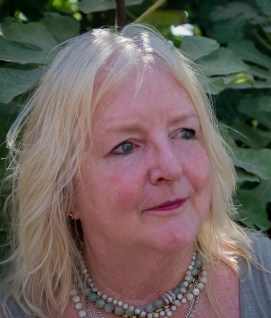
Shortly after writing “Asking for Help,” a blog in which I described losing my physical strength following a series injuries, I finally took a friend’s advice—mainly to stop her from badgering me—and went to the doctor. This is something I don’t usually do, as not only have I almost always had excellent health, but also, I believe that, for the most part, the body can heal itself. The first doctor sent me to an orthopedist who told me that the persistent bursa on my knee was nearly healed and to go ahead and exercise in order to regain my strength.
A few days later, I found myself walking to the end of my cobblestone street with my little dog and continuing on to the harbor, a walk of about fifty minutes that included a good deal of up and down, as my house is situated above the sea. As I had only planned to walk a short distance, I was amazed that I found the strength to go farther. Soon I found the perfect walk. Leaving home at 4:30 in the afternoon, I follow the road past houses and open fields down to the sea and around the harbor quay out to the lighthouse. The sun sets while I am on the quay and on most days the clear winter sky lights up and the sea turns rose-gold. The return around the harbor takes me past the little church of Agios Nikolaos where I stop to light a candle and say a prayer. Then back up the hill to my house, where I arrive just before dark. Continue reading “Reclaiming My Body by Carol P. Christ”

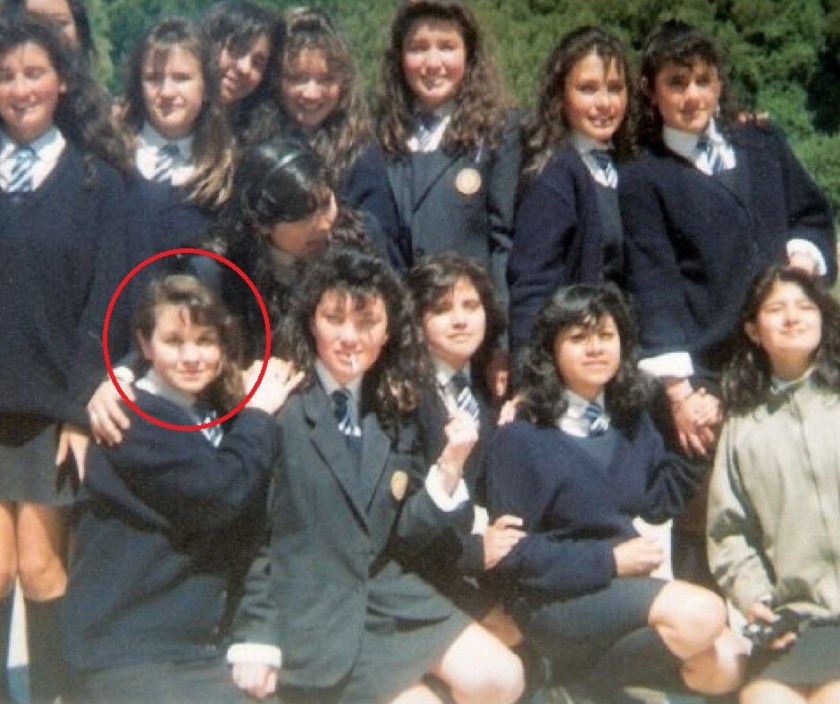

 When I began to research our family tree, my father told me that his grandfather George Christ emigrated from Germany because he was a socialist. I eventually learned that it was not George Christ but his parents, Thomas Christ and Anna Maria Hemmerlein, who emigrated from Bavaria. Thomas died in 1863 when George was an infant and George died in 1895 when my grandfather was an infant, which explains how their stories got confused.
 During the summer of 2005, I was living alone on Venus Street, in New Orleans’ Gentilly Terrace neighborhood, in a small Craftsman cottage I’d purchased two years earlier after breaking up with my longtime partner. I loved the house: modest yet gracious, it had a dining room with French doors that opened onto a screened porch, gleaming wood floors, cove ceilings, numerous multi-paned windows, a large bedroom, and a comfortable study looking out on royal palm trees where a flock of green parrots nested. I liked to think it resembled the home my parents had left behind in Cairo, Egypt when they emigrated to the U.S. in 1951.
 A few months ago