

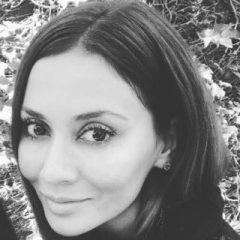
 I was once asked “why do I stay Muslim”? That was the question prompt, and it begged an answer. A deep, well thought out, articulate, and concise answer. Shamefully, at that time in my life, I was stumped. I was speechless a long while, because I couldn’t think fast or clear enough to answer with sincerity. At that time, whatever I wanted to say, just sounded like the “schtick” — for example “oh, yes I stay Muslim because Islam stands for peace, and I’m a peaceful person so this is my biggest reason..(next day – terrorist attack by “Muslims” totally negating my “why”)… and other similarly situated examples as such. So, I knew my why had to be more layered, more significant and pragmatic, yet exciting.
It’s been a few years since, and I have thoughtfully mulled this question over and over in my head. From my social context, as devout as both sides of my family are to the faith, I personally, grew up as a “SoCal” girl. For me this means, I have many non-Muslim friends, and I have influences from all spectrums varying from interfaith efforts to intellectual atheists. Growing up and still today, I have conversations with women, especially, that go beyond following any type of faith tradition. Many of friends within my circles have used their faith as a roadmap to a “higher frequency”. Tuning into the world, into humanity, eliminating draconian mindsets, and living today trying to be in touch with all of it, rather than just a section of “it.” Continue reading “Islam is my Louvre by Valentina Khan”
 I served as general editor for the recently published
 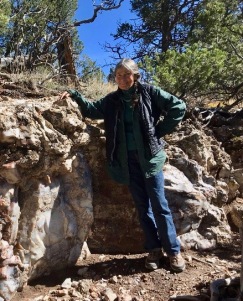 I have been traveling across country during the past week from New Mexico to Maine, leaving one “home” for another wondering what the word even means for me these days. I suspect the word doesn’t refer to a place, but a state of mind/body that continues to elude me.
 Every year when the cherries, pears, plums, and apple trees begin to bloom, I go out walking. I look for every spot in my vicinity where white and pink blossoms are blooming in exquisite profusion like foam on an ocean. Every year I take photographs, even though I already have so many. I walk at every hour of the day because, as the light changes, the colors change. I have albums and albums of pictures of my beloveds, the trees.
 As we enter Pride month, do you ever finding yourself wishing there were unabashedly queer resources to aid clergy and people of faith in nurturing spirituality, celebrating queer families, or offering liturgies that celebrated revolutionary queer women? Look no farther! The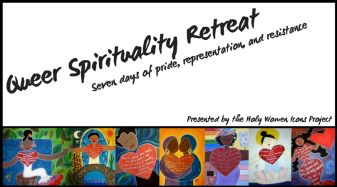
 For many, this past week saw the MASSIVE HBO hit, Game of Thrones, air its last episode. Thousands were left unsatisfied with the ending and even the entire last season. There was an


