


“In the past, for reasons I try to explain, I’ve often felt I had to be careful in public, like I was up on a wire without a net. Now I’m letting my guard down.” —Hillary Rodham Clinton, from the introduction of What Happened
I just finished reading Secretary Hillary Clinton’s new book, What Happened. It is currently Number One on Amazon, outselling even Stephen King’s It and Margaret Atwood’s The Handmaid’s Tale at this moment. Put another way- hardcover sales of the book are the highest for any non-fiction book in the past five years.
I’ve written several times during the past year regarding Hillary Clinton and the election of 2016. About the real meaning of “sanctity of life”—living a full life and voting for a candidate who believed in that for everyone, including women’s right to choose and also about the process of those trying to silence her/ shame her/ not listen to her and how she refused to be silenced.
Devastated after the election I wrote a post here on FAR. And months afterward, I wrote how many of us were not “over it” and were not “ready to play nice.” We, along with Secretary Clinton, are not “ready to play nice” still. And probably will not ever be. We may be willing to (as I will speak of later) lead with love and kindness—but that is different from “playing nice.”
Continue reading “Hillary Clinton, What Happened and What Happens Now? by Marie Cartier”


 What do we mean when we call girls “bossy”?
 Yesterday I sat in my car, buckled and ready to reverse just when I looked out my side window to see the people getting into their car next to mine.
 I watched this short video on facebook about
 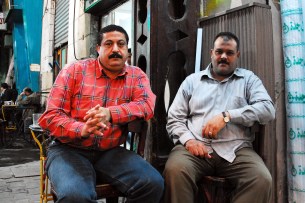 Then Sisa made the news and was honoured by governmental officials. There is footage in the report of Egyptian men watching that footage. Apparently, the men were impressed by Sisa’s efforts and they developed respect for her. One man, who knows Sisa personally, says for camera: “I treat her like a man, because she works like a man”.
 When I was in high school, I remember being preoccupied with being my “authentic” self. I am quite sure I had little idea of what that meant because I think it was akin to knowing the content of my ego, my likes and dislikes, and simply being honest about them. For someone who avoids confrontation and tends to hide or lie about the truth far too often with the more persistent people in her life, this might not have been a bad ethics to practice; although, if that was what I was aiming for, I didn’t achieve my goal then and still have not.
 In a recent article from
  Feminism and Religion