


Rachel Fassler was in so much pain that she couldn’t remain still long enough for the emergency room nurses to take her blood pressure. After hours of being overlooked, dismissed, and misdiagnosed (she was initially treated for kidney stones) by two male doctors, Fassler was finally treated appropriately by a third physician, a woman, and rushed into emergency surgery to have a swollen ovary removed.
The details of Fassler’s horrific experience in the hospital that day was told by her husband Joe Fassler in The Atlantic back in 2015. The piece “How Doctors Take Women’s Pain Less Seriously” opened the floodgates for women to share their stories of having their pain ignored sometimes for years by mostly by male doctors, though not exclusively. Rachel Fassler refers to this as “the trauma of not being seen.”
Continue reading “See, Hear, and Believe Women’s Pain by Katey Zeh”
 In
 While Frida Kahlo is arguably the world’s most famous woman artist, most women in the surrealist movement have been overlooked. But Frida’s sister surrealists now seem to be experiencing a long overdue resurgence, with recent international exhibitions showcasing Leonora Carrington, Meret Oppenheim, and Dora Maar. The 2017 documentary film,
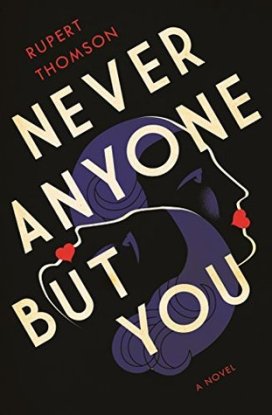 Though I was familiar with these artists, Rupert Thomson’s novel,



 For almost four years, I’ve been living with the long-term effects of an inner ear lesion. The lesion is long gone but its side effects are not. Throughout the day, I feel a combination of unsteadiness and sudden, unpredictable sensations of movement. On better days, the unsteadiness is almost non-existent and the feelings of movement are minimal. On worse days, I’m troubled with a type of brain fog that makes it hard to concentrate as well as disrupting unpredictable sensations of being on a boat that can’t pick one direction in which to move. It’s frustrating, tiring and demoralizing.

