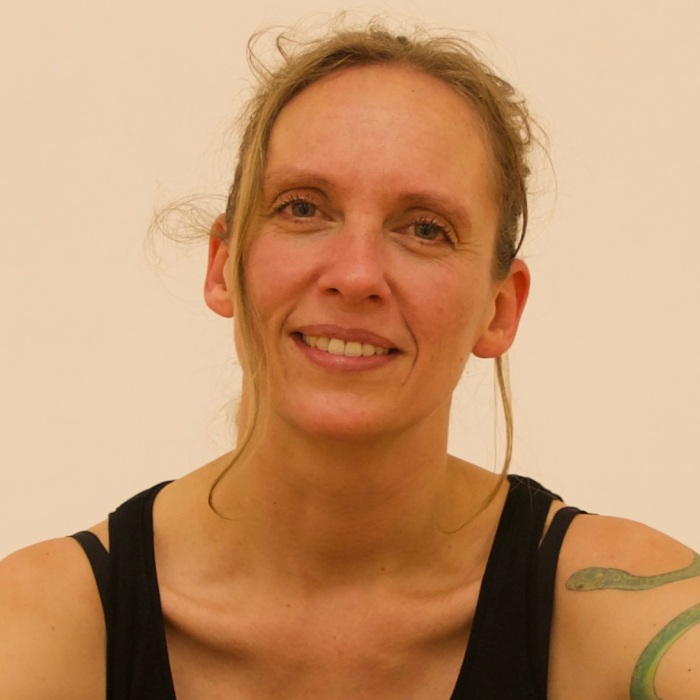
Archives from the FAR Founders: Learning Compassion from Inmate Number 74799 by Cynthia Garrity-Bond

This was originally posted on July 21, 2017. This is the first post of our new series to highlight the work of the four founders of FAR, Garrity-Bond, Caroline Kline, Gina Messina and Xochitl Alvizo
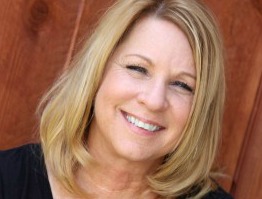
Technically I was employed as a lab assistant at our community

Considered standard prison procedure, Michael was scheduled for an autopsy the following day. While my grief over Michael’s death was considerable, it was the pending autopsy that caused my immediate concern. As I pictured Michael on the cold table of steel, the crude instruments sawing and cutting into his already weathered body, I took it upon myself to somehow ease this last assault. I phoned the Tucson corner’s office, hoping to speak to the pathologist who would be performing Michael’s autopsy. With surprising bureaucratic ease, I was transferred to him. After introducing myself, I explained he would be receiving Prisoner 74799, my brother, from Tucson General, and that by all appearances this was just another disposable inmate whose criminal past simply caught up with him, sort of a karma-like ending. His thin, emaciated body, I warned, is covered in tattoos, which I feared might induce a harsher judgment upon this cast away soul. I asked the pathologist that when he begins the post, he please remember Prisoner 74799 was somebody’s son, somebody’s brother, father and friend and more importantly, that this man was loved. “Please” I pleaded, “try to see beyond the obvious signs of poor choices mapped onto his body, instead see he is more than his prison issued number and that Michael Paul, while far from saint, was a man who loved and was loved.”

Continue reading “Archives from the FAR Founders: Learning Compassion from Inmate Number 74799 by Cynthia Garrity-Bond”
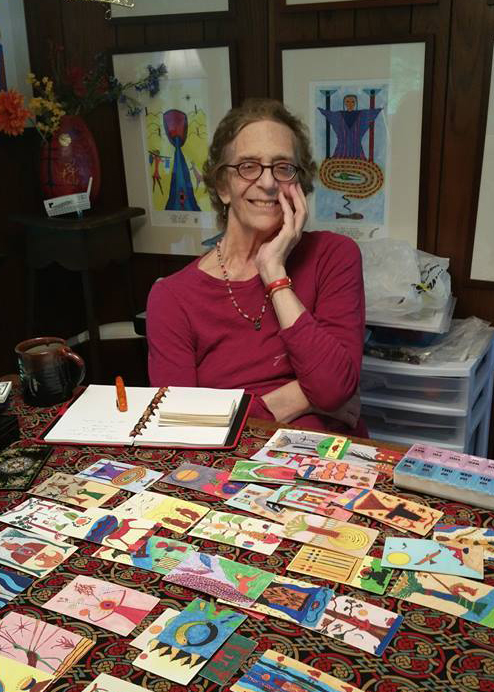
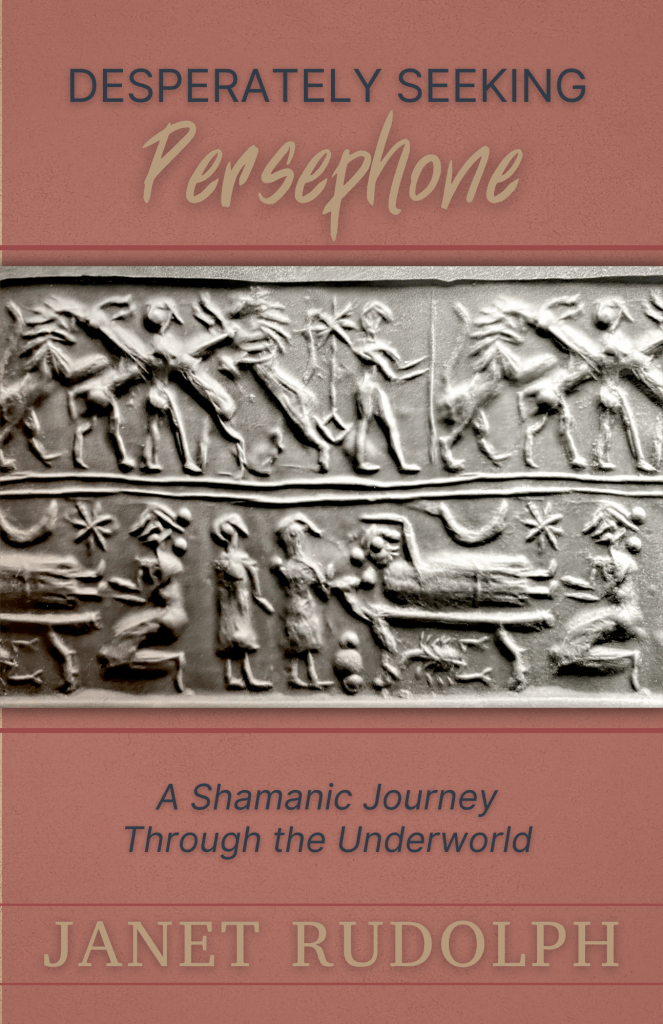
In Memoriam, Rachel Pollack  JIA (8/17/45 – 4/7/23) by Janet Maika’i Rudolph

How do you speak about someone who not only rocked your own world, but those of countless others? Whose fertile imagination and generous nature inspired and transformed so many lives? My friend, teacher, and mentor Rachel Pollack died in April. It’s hard to wrap my head around what a huge loss this is, not only for me, but for the world. She had an encyclopedic knowledge at her fingertips of mythology, tarot, historical trends, cultural trends, ancient civilizations. She was a storyteller at heart, using personal stories, universal stories to teach. She encouraged and guided each of us to discover and tell our own stories. Her stories won both the Arthur C. Clarke and the World Fantasy Awards. I call her the Grandmother of the Tarot because her work in that area has been so ground-breaking, far-reaching and depthful.

I write JIA, instead of RIP, special for Rachel. JIA means Journey In Adventure.  Rachel was adventurous to her core.  Rather than resting in peace I see her continuing her immensely adventurous journey just now on the other side of the veil. I see it as a continuing wondrous, magical ride that she has earned.

Continue reading “In Memoriam, Rachel Pollack  JIA (8/17/45 – 4/7/23) by Janet Maika’i Rudolph”

To Stand in the Presence of the Ancients! – Enheduanna, Part 2 by Janet Maika’i Rudolph

Yesterday I wrote about the priestess/scribe Enheduanna and her warrior/king father Sargon. I posited their connection to the codification of patriarchy. They did not invent it, as war and the diminution of women had been happening in some circles. I do wonder, however, if they furthered it along to a point of no return.

Another king of the time, Urukagina from circa 2350 bce[1] codified laws under the guise of reformation.  Some of his reforms were progressive in that they sought to protect the poorer classes against aristocracy and the priesthood.  But they also were clear to let women “know their place.” Here are the translated words from his laws:

“If a woman to a male has spoken . . .[bad] words(?) which exceed (her rank?), onto the teeth of that woman a baked brick shall be smashed, and that brick will be hung at the main gate.”

Continue reading “To Stand in the Presence of the Ancients! – Enheduanna, Part 2 by Janet Maika’i Rudolph”

Divinely Feminine Events to Change the World by Caryn MacGrandle

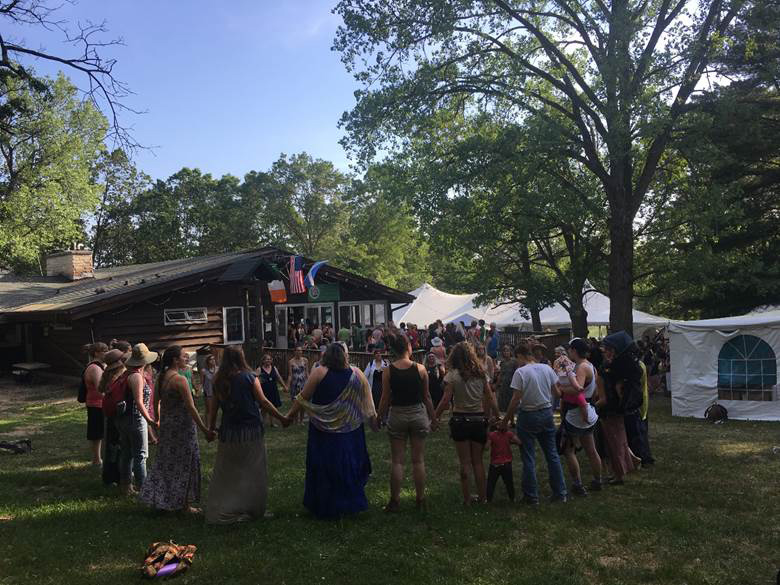
Morning Circle at Midwest Herbal Conference in 2017

In the bathroom at 4am in the morning, I hear the birds start to sing.  Instantly, I am transported back to my tent at Midwest Herbal Conference in Wisconsin to the excitement of starting a new day with the feeling of being in nature with fellow conmadres, amazed at the knowledge and wisdom the women around me hold.  Watching them go into the forest, bend down to see a plant, put it in their mouths and eat it.

Continue reading “Divinely Feminine Events to Change the World by Caryn MacGrandle”

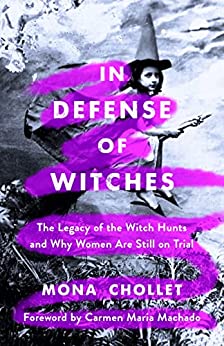
Life Still Shaped by the Witch Hunts? by Eline Kieft

In this article I reframe my understanding of feminism through the lens of Mona Chollet’s In Defence of Witches, and reflect on how my psyche as a woman today is still deeply influenced by the effects of the witch hunts in mediaeval times. 

Continue reading “Life Still Shaped by the Witch Hunts? by Eline Kieft”

“A new heart I will give you . . .” : Part One by Beth Bartlett

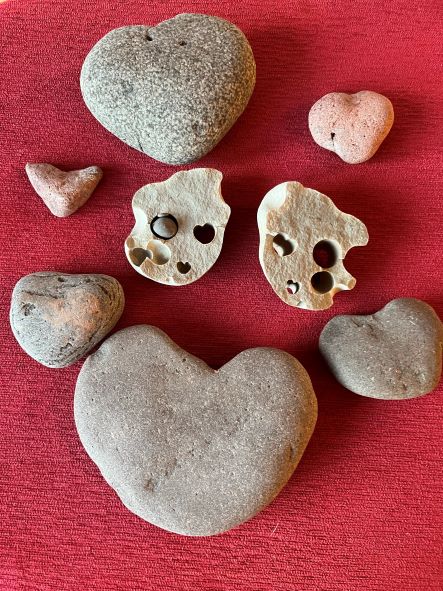
February is “Heart Month.” Presumably the American Heart Association chose February as the month to raise awareness about cardiovascular health because in February we celebrate Valentine’s Day which we observe by the giving and receiving of hearts of all kinds — heart-shaped Valentines, candy, jewelry – symbolic declarations of love, of giving our hearts to one another. Hearts have long been associated with love. When bringing our emotions to the surface, we “wear our hearts on our sleeve.” When speaking our deepest feelings, we “pour our hearts out.” Feelings of tenderness “warm our heart,” and compassion “pulls at our heartstrings.” When grieving, we feel “heartache,” and loss of love renders us “heartbroken.” The French word for heart, coeur, associates hearts with courage. We “take heart;” we “lose heart;” we “hearten.” We can engage in a task “wholeheartedly,” “halfheartedly,” or our “heart’s not in it” at all. We can be “bravehearted,” “lighthearted,” “tenderhearted,” “hardhearted,” or totally “heartless.”  That’s a lot for the heart to carry.

Continue reading ““A new heart I will give you . . .” : Part One by Beth Bartlett”

Women, Blame, and Patriarchy by Mary Gelfand

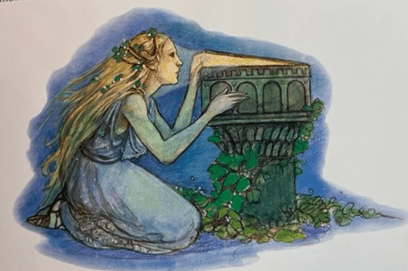
Pandora by Rebecca Guay

Last May I had a vision in the shower. It wasn’t the kind of vision I like to have—where the Goddess and I dance across a meadow with flowers springing up as we pass and cool breezes bringing sweet fragrances. This was the kind of vision I’d rather not have, but probably needed to. This is from my journal.

Something happened during my shower recently that feels relevant. As I stepped into the shower, a phrase thrust itself into my mind: “I was forced to watch them die and it was all my fault.” As I ‘stood’ there with water pouring over my body and that statement vibrating in my brain, it attached itself to a scene where I was the spiritual leader of a community that came under attack. I was forced to watch the women and men who believed in what I taught as they were executed. Many of them were friends and relatives. I was restrained and couldn’t intervene to save them, or join them in execution. Having to witness this was part of my punishment. Instead I was carried to a bigger town, publicly humiliated and beaten, and then executed in some painfully unpleasant way I can’t recall–probably because I don’t want to.

Continue reading “Women, Blame, and Patriarchy by Mary Gelfand”

Prehistoric Feminine Icons

In this blog post I’d like to take you with me on a recent visit to the special exhibition “Arts and Prehistory”* in the Museum of Mankind (Musée de l’Homme) in Paris.**

Like the Feminine Power in London exhibition I wrote about last year, this is another ode to human imagination and creativity in connection to the mystery of life.

The exhibition features women figurines and cave paintings from dating between 26.000-34.000 years old, and I wonder how these prehistoric icons can inspire us to look at female bodies today…

Continue reading “Prehistoric Feminine Icons”

From the Archives: Christmastime for the Self by John Erickson

This was originally posted on December 25, 2018

We’ve all been there.

Sitting around the tree watching the kids open presents.  Attempting to enjoy a holiday meal with extended and immediate family that you may or may not have traveled thousands of miles to see.  Trying with every fiber of your being to not talk about the elephant, or red hat, in the room.

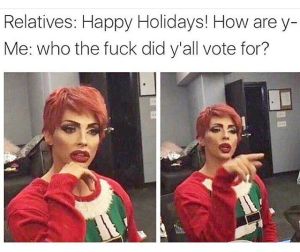
Alyssa Edwards

I get it.  It is hard to not go home for the holidays. It’s also hard to sit at home and watch every one of your friends post online about their dinners, get-togethers, and other joyous events while you sit at home.  I also understand that many of us, as a result of our sexual and/or gender identity, or maybe our political preference, don’t feel comfortable going home or, can’t go home.  This is not ok and that is why it is so important that we all have our chosen families to be with during these times of communal gathering or more importantly, ways to cope while we are at home in these uncomfortable situations to make sure we take care of ourselves and make it out the other end.

Continue reading “From the Archives: Christmastime for the Self by John Erickson”

Re-Anointing the Body by Eline Kieft

How ‘at one’ are you with your body, and what reasons might there be if your body-sense got separate(d) from your soul-sense?

This piece starts with the difference between feminine and masculine spirituality, and introduces a few reasons why living in a physical body isn’t always easy.

It then invites a shift to the beloved body and how we can start to re-instate our body as a sacred place and love it from within.

Continue reading “Re-Anointing the Body by Eline Kieft”