

 I am a citizen of two countries currently being torn apart by popular nationalism. In Greece, the cry is “Macedonia is only Greek,” while in the United States a nation of immigrants is being told that it must fear being invaded by immigrants. The truth is that the idea of a nation state is a fiction created in the nineteenth century. It is high time to dismantle it.
Here is the Greek case. Phillip of Macedon invaded from the north and created a federation of Greek states in 338 BCE. His son Alexander the (so-called) Great conquered territories extending as far as India before his death in 323 BCE, establishing the seat of his empire in the newly founded city of Alexandria in Egypt. Phillip and Alexander are claimed as Greek, but in fact Phillip forced independent Greek-speaking city states into union under his rule.
Although the Greek language became the lingua franca of the Alexandrian Empire, the people who spoke forms of Greek did not become an ethnically pure free Greek nation under Alexander. Rather they became subjects in an empire ruled by a king that united people of different cultural traditions under a newly imposed Greek language. It is probable that Phillip and Alexander originally spoke a form of Greek, but even this is debated by experts. Continue reading “Time to Dismantle the Myth of the Nation State? by Carol P. Christ”
 The Sabarimala Temple in Kerala, India has been recently thrown into the news. It has made world news due to the two centuries long tradition of denying females from the age of 10-50 entrance into the Temple. As of September 2018, the Indian Supreme Court ruled in favor of allowing women entrance into the Temple. Needless to say, this ruling was met by both large numbers of supporters and protestors. But what makes the Sabarimala Temple so controversial?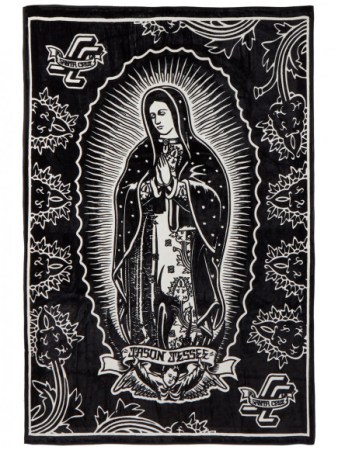
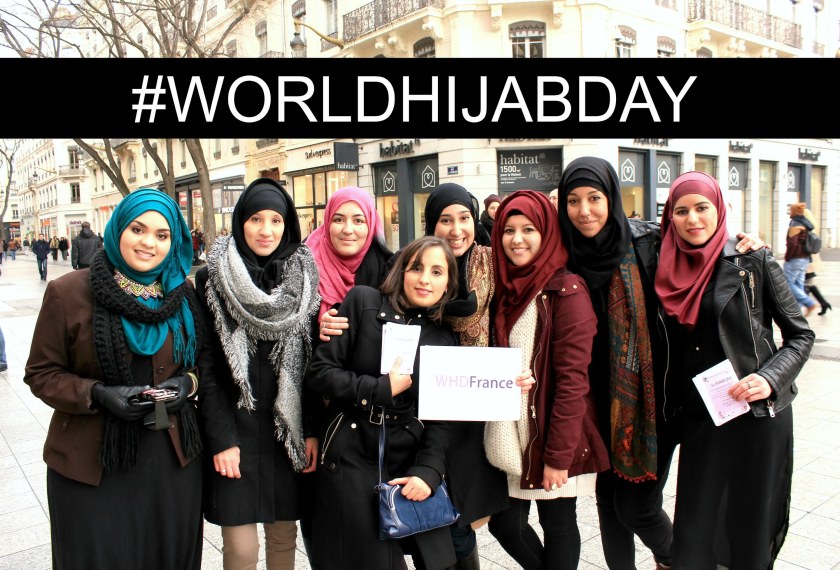 When World Hiyab Day (WHD) was held for the first time in 2013, I was an enthusiastic supporter. Even my friend Maria de los Angeles from Venezuela, wore a headscarf for a day in sisterhood. She went to her job and celebrated her birthday in a tropical country, fully head-covered.
 I often say I am a theologian who is uncomfortable with prayer and does not have a relationship with God. What I mean is that I am still trying to figure out how I understand the divine; conventional prayers feel exclusionary and that is not something I want to participate in. Instead, I believe there is so much more to these concepts than traditional theology offers.
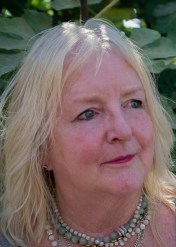 I am sitting in my studio apartment with my computer on my lap on a cold, windy, and rainy day in Voutes, Heraklion, Crete. My little dog is curled up asleep, seeing no reason to awake on a day like this.
 Years ago, I learned of a small Christian
  Feminism and Religion